3 Bedrooms | 2 Bathrooms | More Than 2,000 Sq. Ft. | Fenced Backyard | Optional Boating AccessPresented by Michael Downer, Broker Associate | Downing-Frye Realty | Quintessential NaplesMore Space,

Dated: May 13 2026
Views: 261
Key Takeaways
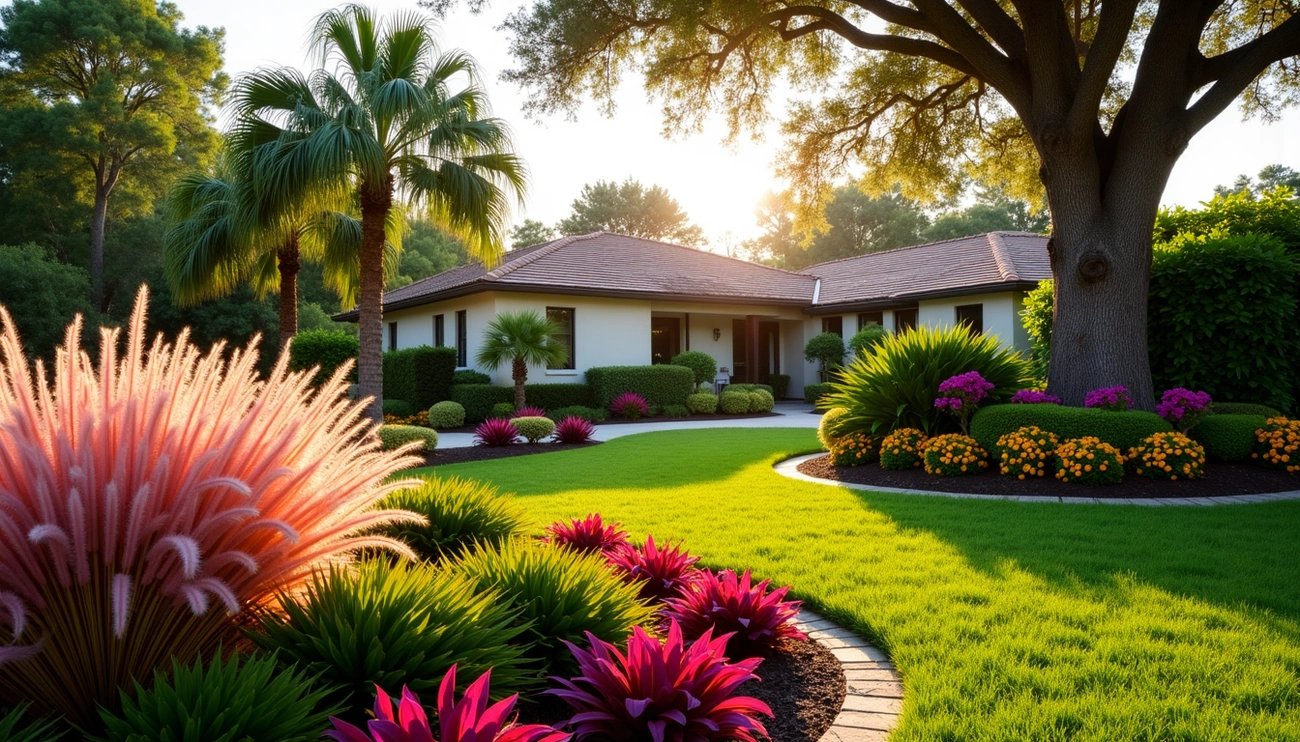
Transform your Naples home into an eco-friendly paradise with these native plant selections that deliver stunning beauty while supporting local ecosystems and reducing maintenance demands.
• Native plants support 550+ local species vs. just 5 for non-natives - Choose Florida natives like firebush, coontie, and saw palmetto for maximum ecological impact
• Drought-tolerant options slash water bills and maintenance time - Established natives like muhly grass and blanket flower thrive with minimal irrigation
• Year-round color comes from strategic plant combinations - Mix ixora's continuous blooms with seasonal stars like beach sunflower and beautyberry berries
• Coastal properties benefit from salt-tolerant selections - Bougainvillea, Clusia hedges, and beach sunflower handle salt spray and sandy soils perfectly
• Wildlife magnets create living ecosystems in your yard - Live oaks host 525+ bird species while native wildflowers feed pollinators throughout seasons
Start with one or two species that match your specific site conditions, then expand as you witness the remarkable difference native plants make in supporting local wildlife while reducing your environmental footprint.
The difference is striking if you choose landscape and flowers for your Naples home: native plants support 550+ local species while non-natives support just 5. Environmentally responsible garden design has gained momentum here. Over 50% of Naples homeowners now prioritize food-producing plants in their yards. We've compiled 18 eco-friendly landscaping options for Naples, Florida, that blend floral design with practical benefits. These landscape plants and flowers will help you create a beautiful Naples landscape design while conserving water and supporting local ecosystems.
Why Native Palms Work in Naples
Florida hosts 11 native palm species. Most reside in South Florida. These palms evolved to handle local rainfall patterns. They need minimal watering once they mature. Their deep root systems anchor soil and prevent erosion while filtering water naturally.
Best Native Palm Species
Cabbage Palm (Sabal palmetto) serves as Florida's state tree and grows up to 65 feet tall. It tolerates frost, salt, wind, and drought conditions well.
Saw Palmetto (Serenoa repens) spreads as ground cover and resists fire damage. It's drought-resistant, cold-hardy, and salt-tolerant throughout the state.
Florida Thatch Palm (Thrinax radiata) reaches 20 feet and handles salty soils plus sea breezes for coastal properties.
Everglades Palm (Acoelorraphe wrightii) features narrow trunks up to 25 feet with green leaves and silvery undersides. It tolerates flooding, salt, and brief droughts.
Silver Palm (Coccothrinax argentata) grows slowly but thrives without fertilizer in south and coastal central Florida locations.
Placement and Growing Tips
Most palms need moderately draining soil. This prevents waterlogging. Amend your existing soil with compost during planting. Space clustering palms like those in the Everglades properly, since they sucker freely.
Water Conservation Benefits
Native plants stabilize soil through extensive root systems. This enhances water retention and promotes groundwater recharge. They filter sediments and absorb excess nutrients, which protects aquatic ecosystems.
What Makes Firebush Eco-Friendly
Firebush (Hamelia patens) stands out in Naples, Florida, landscaping as a Florida native that strengthens local ecosystems. This plant supports biodiversity and resists most pests and diseases without chemical intervention, which non-native alternatives cannot match. Many gardeners find that this perennial shrub requires no fertilizer and thrives on Florida's existing soil conditions.
Wildlife Attraction Benefits
The bright red tubular flowers attract hummingbirds and butterflies from late spring until the first frost. Zebra longwing and Gulf fritillary butterflies visit for nectar. Pluto Sphinx moth caterpillars use it as a host plant. Song birds feed on the black berries in fall and spread seeds through the landscape.
Ideal Growing Conditions
Plant firebush in USDA Zones 8-11 during late spring or summer. It performs best in full sun but tolerates partial shade with reduced blooms. The shrub grows in any well-drained soil and exhibits moderate salt-spray tolerance in the coastal Naples landscape design. Mature plants reach 6-12 feet tall and wide.
Maintenance Requirements
Water during the first growing season to establish roots. Established firebush becomes drought-tolerant and needs supplemental water only during extended dry periods. Prune in late winter or early spring to maintain a height of 5- 8 feet. Avoid excessive trimming that reduces blooming.
Coontie Characteristics and Benefits
Coontie (Zamia integrifolia) is Florida's only native cycad, an ancient plant group often called a living fossil. This palm-like plant grows 1-3 feet tall. Stiff, glossy, featherlike leaves attach to a thick underground stem. The dark green fronds create a lush tropical appearance despite the plant's tough nature.
What sets coontie apart is its role as the sole larval food source for the rare Atala butterfly. The rusty brown cones provide winter interest. Bright red-orange seeds on female cones add visual appeal.
Perfect Placement in Naples Gardens
Coonties adapt to full sun or full shade, though they grow larger in shaded conditions. Their compact size makes them ideal foundation plants that never need pruning. Use them to surround mailboxes, line walkways, or create informal groundcover in landscape and flower designs.
Drought Tolerance Advantages
Coonties excel in coastal Naples, Florida, landscaping due to their high drought tolerance and moderate salt tolerance. They require minimal water once established. This makes them ideal for creating low-water landscape plants and flower schemes.
Care and Maintenance
Space plants 2 feet apart in rows. Well-drained soil is preferred and enriched with minimal organic material. Established coonties don't require fertilizer. Remove dead leaves occasionally to maintain appearance.
Why Muhly Grass Suits Naples Climate
Muhly grass (Muhlenbergia capillaris) occurs in Florida's pine flatwoods, coastal uplands, and beach dunes. This clump-forming perennial tolerates both drought and flooding. That makes it suited for wetland sites and beachfront Naples landscape design. The grass shows mild salt and wind tolerance while remaining deer-resistant.
Best Landscape Applications
Garden designers often plant muhly grass in large groups for a stunning visual effect, especially when the flowers are backlit in late afternoon. Space plants 24 to 36 inches apart to develop properly. The fine texture softens hardscape and works well in borders, mass plantings, or as specimen focal points. Its clumping habit prevents it from invading other beds.
Seasonal Color Display
Fluffy pink-to-purple flower stalks reach up to 5 feet tall in fall. They create a cotton candy appearance that persists for 6 to 8 weeks. Clumps grow 2 to 3 feet tall and wide. A white-flowering form offers late-season extension of bloom.
Water-Wise Growing Tips
Plant in full sun with at least 6 to 7 hours of direct sunlight. Well-drained soil is essential; amend heavy soil with gritty material before planting. Keep soil moist during the first few months, then reduce watering as plants become drought-tolerant. Cut back to 6-8 inches in late winter before new growth.
Beautyberry Features and Benefits
American Beautyberry (Callicarpa americana) changes the Naples landscape design with its striking fuchsia berries, appearing in late summer through fall. This native shrub reaches 3-8 feet tall and equally wide. Arching branches create a fountain-like appearance. Clusters of bright magenta berries encircle stems at each leaf location and persist into winter if birds don't consume them first.
Wildlife Support Capabilities
Beautyberry serves as a nutritional powerhouse for at least 40 songbird species. Mockingbirds, catbirds, robins, and cardinals feed on these berries. The lavender blossoms provide nectar for bees and pollinators from late spring through summer. It also hosts the spring azure butterfly and contributes to biodiversity in landscape plant and flower schemes.
Growing Requirements
Beautyberry thrives in USDA Hardiness Zones 7-11 and flourishes in partial to full shade. It adapts to most soil conditions. The plant tolerates drought after establishment and requires minimal fertilizer. Full sun produces more profuse berries.
Pruning and Care
Cut back in late winter or early spring to about 1 foot above ground level for compact form. Hard pruning encourages bushier growth and abundant fruit production. Beautyberry blooms on new wood.
Ecological Benefits of Saw Palmetto
Saw palmetto (Serenoa repens) ranks among the most highly used plants by native wildlife. The creamy, fragrant flowers bloom in May and June. They provide pollen for honeybees and produce saw palmetto honey known for smoky, woody flavors. Birds, deer, and other mammals feed on the berries that mature from yellow to black. Black bears consume both fruit and young shoots.
This palm serves as a larval host for the monk skipper and the palmetto skipper butterflies. Dense foliage offers shelter and nesting sites. Saw palmetto stabilizes sandy soils and prevents erosion. This makes it valuable for both watershed protection and coastal dune protection.
Landscape Design Applications
The sprawling form works well as a backdrop for mixed borders, a privacy hedge, or foundation planting. Plants grow 5 to 10 feet tall with an equal spread. Use saw palmetto at the base of trees already there, or to hide building features in Naples, Florida, landscaping. Its coarse texture adds dimension to landscape plants and flower designs.
Low-Maintenance Advantages
Saw palmetto requires little to no supplemental irrigation once it takes root and no fertilizer. Pests leave it alone. It tolerates flood and drought and shows high salt tolerance for coastal properties.
What Makes Bougainvillea Eco-Friendly
Bougainvillea brings spectacular color to landscape and flower schemes while consuming minimal resources. Once a few months old, this plant becomes drought-tolerant and requires minimal watering. This makes it a strong candidate for low-water gardens and regions with water restrictions. The plant also supports pollinators and adds ecological value to Naples, Florida, landscaping.
Best Uses in Naples, Florida, Landscaping
This versatile plant can be trained as a vine, shrub, or tree. It then works well climbing pergolas, trellises, fences, and walls. You can grow it in containers, hanging baskets, or in the ground. Some varieties reach up to 40 feet tall with proper support, while you can maintain others between 6 and 10 feet. Dense growth creates natural privacy screens along patios or walkways.
Growing and Training Tips
Bougainvillea requires at least 6 hours of direct sunlight each day. More sun produces more blooms. Plant in well-draining soil to prevent root rot. The plant needs support structures for climbing since it doesn't twine or cling on its own. Prune in late winter or early spring[271] to maintain shape and encourage new growth where blooms form.
Water Requirements
Water the plant often while establishing. After that, water deeply every 3 weeks and allow the soil to dry between waterings. Overwatering reduces flowering[271].
Nitrogen-Fixing Benefits
This low-growing legume enriches landscape and flower designs through its partnership with Bradyrhizobium bacteria. The symbiotic relationship allows perennial peanut to add up to 100 kg of nitrogen per hectare to the surrounding soil. Annual biological nitrogen fixation averages 180 lb/acre. Belowground nitrogen pools exceed 300 lb/acre. This natural fertilization means that mowed clippings returned to the soil boost nutrient availability without the need for commercial inputs.
Drought Tolerance Features
Rhizoma perennial peanut types tolerate drought once they're a few months old and withstand 3-4 months without water. Pintoi varieties need wetter sites or irrigation. The 8-inch-high growth and spreading rhizomes create dense mats that retain soil moisture.
Installation Guidelines
Space rhizomes, plugs, or containerized plants 12 to 18 inches apart to achieve complete coverage. Plant any time of year and provide regular irrigation during establishment. The plants tolerate pH levels from 5.0 to 6.5 and adapt to a wide range of soil types. Use metal or fiberglass edging to prevent vigorous rhizomes from spreading into unwanted areas.
Zero Fertilizer Advantage
Perennial peanut requires no nitrogen fertilizer. Apply only potassium-magnesium sulfate (0-0-22-22S-11Mg) for potassium and magnesium needs. Mowing every 4 weeks during the rainy season helps control weeds and encourages golden blooms throughout the summer [292].
Why Beach Sunflower Works
Beach sunflower (Helianthus debilis) delivers year-round blooming in Naples with two-inch yellow flowers featuring brown centers. This spreading perennial reseeds itself and forms larger clumps over time. The plant grows 2 to 4 feet in height and spreads. It works well as groundcover, border edging, or mass plantings. The plant thrives in full sun and sandy or well-drained soil. This suits it for landscape plants and flowers applications throughout most of Florida.
Pollinator Attraction Benefits
Several butterfly species appreciate the nectar-rich flowers. Birds feed on the fruits. The continuous blooming will provide pollinators with reliable food sources throughout the seasons. The flowers also make attractive cut arrangements for indoor display.
Salt Tolerance Capabilities
Beach sunflower tolerates salt in the soil and handles high salt spray, especially when you have coastal Naples, Florida, landscaping. This resilience makes it excellent for beachside properties where other plants struggle.
Spreading and Maintenance
Beach sunflower becomes drought-tolerant after it gets established and needs little to no irrigation. But over-irrigation slows growth and can trigger sunflower rust disease. One or two fertilizer applications per year encourage the best growth, though over-fertilizing can cause problems. Select local ecotypes for your specific coast to prevent hybridization issues.
Ecological Value of Frogfruit
Frogfruit (Phyla nodiflora) serves as a nectar source for bees and small butterflies, such as hairstreaks. The nectar-rich blooms draw a wide variety of pollinators, including moths and hummingbirds. This spreading groundcover suppresses weeds in landscape and flower applications while providing organic material that keeps soil cooler in hot weather and sheltered from cold winter winds. The plant's trailing, semi-evergreen growth habit creates a dense carpet of foliage.
Versatility in Wet and Dry Conditions
Frogfruit adapts to full sun or partial shade. It runs on well-drained, nutrient-rich soils but tolerates poor or rocky conditions. The plant handles both drought and flooding. This makes it suitable for varying Naples, Florida, landscaping situations. It shows moderately high wind and salt tolerance, which benefits coastal properties.
Low-Growth Benefits
Frogfruit reaches just 3-6 inches in height and spreads by rooting at nodes. This low-growing habit works well in areas without heavy foot traffic. You can easily propagate it from cuttings or by division—the plant blooms from May to October with tiny white flowers sometimes mixed with purple.
Supporting Native Butterflies
Frogfruit serves as the larval host to three butterfly species: White Peacock (Anartia jatrophae), Phaon Crescent (Phyciodes phaon), and Common Buckeye (Junonia coenia). The foliage provides food to caterpillars of these species and supports biodiversity in landscape plant and flower designs.
Best Native Wildflower Species
Milkweeds (Asclepias spp.) become drought-tolerant and require little to no care after a few years. Black-eyed Susan (Rudbeckia hirta) provides an excellent nectar source for native bees and exhibits high resistance to disease and pests. Coreopsis, Florida's state wildflower, blooms from spring through fall in full sun and well-drained soil. Purple coneflower (Echinacea purpurea) handles drought well and grows in average soil without much fertilizer. Blanket flower (Gaillardia pulchella) attracts bees and butterflies throughout its long spring-to-fall blooming period. Goldenrod species light up fall with nectar-rich golden clusters that pollinating insects favor.
Creating Seasonal Bloom Sequences
An ideal wildflower mix provides a continuous bloom season from a dozen or more native perennial wildflowers. Coordinate plants that bloom at the same time to create attractive color combinations while ensuring that something is in bloom every month. First-year perennials produce few flowers from seed, so include black-eyed Susan for early-season color.
Planting Strategies for Success
Proper preparation takes time but remains the key step to success. Remove all weeds, grasses, and vegetation before sowing. Press tiny wildflower seeds into the soil without covering them. Burial prevents germination. Keep the area moist until seeds germinate and reach several inches tall.
Minimal Care Requirements
Native plants require no fertilizer, as many grow in poor soil. Fertilizer could chemically burn them or stimulate weak foliage growth, resulting in few flowers.
Why Clusia Suits Naples Climate
Clusia hedges have gained popularity in Naples, Florida, landscaping for privacy walls, modern borders, and ornamental accents. The dense, upright growth creates natural privacy screens. Clusia thrives in USDA Zones 10-11 and covers coastal communities like Naples. Both varieties tolerate salt exposure. This makes them suited for seaside properties. These evergreen shrubs grow in full sun to partial shade and need at least 4-6 hours of direct sunlight.
Water-Efficient Characteristics
Regular watering establishes roots during the first 3-6 months. Mature Clusia becomes moderately drought-tolerant. It requires only occasional deep watering during dry spells. This efficiency reduces water consumption in landscape plants and flower applications.
Proper Spacing and Planting
Space plants 1.5-4 feet apart, with 3-foot spacing for 15-gallon pots. Clusia grows best in well-drained, sandy, or loamy soils. You should add composted cow manure to planting holes. Clusia guttifera reaches 8-10 feet tall and 6-8 feet wide, while rosea grows 20-25 feet tall.
Pruning Best Practices
You should prune 1-2 times yearly to maintain size and shape. Spring pruning works well, especially late March or early April. Guttifera requires minor trimming rather than hard pruning to maintain its natural form. Trim branches individually and never cut across foliage.
Croton Varieties for Naples Gardens
Crotons (Codiaeum variegatum) showcase multicolored foliage in red, yellow, green, orange, cream, pink, and purple combinations. Petra features bold green leaves with red, orange, and yellow veining. This cultivar ranks as Naples' most popular choice for hedges that grow 4-6 feet tall. Gold Dust displays small green leaves speckled with golden yellow. Mammy produces bright red, yellow, and green foliage that stays at 2-2.5 feet. More than 40 distinct varieties offer options ranging from dwarf to 6-10-foot specimens for landscape applications, including trees and flowers.
Year-Round Foliage Interest
The vivid leaf colors persist in the Naples landscape design year-round. Vibrant hues intensify in full sun, while plants in partial shade develop more green tones with less variegation. This consistent foliage color complements flowering shrubs when they're not blooming.
Light and Water Needs
Crotons need 6-8 hours of bright, indirect sunlight each day. Water when the top 1 inch of soil dries. Keep conditions moist but not waterlogged. Maintain high humidity through regular misting every 1-2 days.
Fertilization Guidelines
Apply fertilizer from March through September only. Use NPK ratios of 8-2-10 or 3-1-2. Apply liquid formulations every 3-4 weeks at half strength, or slow-release granular types, three times per growing season—early spring, mid-summer, and late summer, 8 weeks apart.
Ecological Benefits of Live Oaks
Live oaks anchor naples landscape design as one of Florida's most recognizable trees. These sturdy specimens absorb and store 92 pounds of carbon each year. Mature canopies span over 100 feet. The extensive leaf matrix reduces ground-absorbed sunlight and limits heat radiation into the air. Water vapor emitted by leaves provides cooling through transpiration. Deep root systems stabilize soil and prevent erosion. These roots run three times the tree's height.
Supporting 550+ Species
Live oaks serve as habitats for hundreds of plants and animals. Over 525 bird species employ these trees in regions where they grow. Acorns provide food for mammals, birds, and insects. Branches support epiphytes including mosses, ferns, and bromeliads. Moth and butterfly larvae find homes on the leaves. This creates layered biodiversity in landscape with trees and flowers applications.
Planting Location Considerations
Plant in zones 7B through 10B with full sun to partial shade. These trees need ample space. They can reach 60 to 80 feet tall with 60 to 100-foot spread. Roots lift curbs, sidewalks, and driveways when planted too close.
Long-Term Value
Live oaks measure their lifespan in centuries with proper care. Prune each year for five years, then every three years until age 30.
What Makes Bird of Paradise Ideal
Strelitzia reginae brings striking presence to landscape and flowers applications with blue-green foliage and showy orange-blue blooms resembling birds in flight. Its drought tolerance and pest resistance make it a favorite low-maintenance option for naples florida landscaping. Mature plants reach 3 to 5 feet tall with 2 to 4-foot spread. They produce up to 36 flower spikes annually. Blooms last two weeks when used as cut flowers.
Structural Design Benefits
The clumping growth pattern creates attractive focal points in naples landscape design. Space plants 6 feet apart for dramatic landscape features. Bird of paradise works well next to pools and patios since it doesn't cause leaf litter and maintains clean entertaining areas. Plant in groundcover or before shrub borders to highlight blue foliage tones against green backgrounds.
Growing Requirements in Naples
Bird of paradise prefers fertile, well-drained soil high in organic matter and thrives in USDA Zones 10-11. Partial shade produces taller plants and larger flowers than full sun. Water newly planted specimens for six months frequently. Once established, irrigation is needed only during warm growing seasons.
Maintenance and Pruning
Fertilize every three months during growing season according to label directions. Remove dead leaves and spent flower stalks to prevent fungal problems. Divide mature clumps in late spring or early summer for propagation.
Ixora Characteristics for Landscape with Trees and Flowers
Ixora, known as flame of the woods, features clusters of star-shaped flowers paired with glossy green foliage. This compact, densely-branching shrub blooms throughout the year. Each flower cluster lasts 6 to 8 weeks. This extended display means ixora provides consistent color in landscape with trees and flowers arrangements. The shrub works well as hedges, borders, screens, or specimen plantings. Some varieties reach 10 to 15 feet tall and 4 to 10 feet wide when unpruned.
Heat Tolerance Advantages
Ixora does well in full sun to partial shade and flowers best with at least 4 to 6 hours of direct sunlight. The shrub appreciates afternoon shade to prevent leaf scorch, especially during hot summer months. This plant handles Naples heat well once it matures and has moderate drought tolerance.
Color Options and Varieties
Ixora varieties give you red, pink, orange, yellow, and white blooms. Dwarf Red grows 1 to 2 feet tall. Maui displays multicolored blooms and reaches 3 to 4 feet. Ixora chinensis features yellow and orange flowers at 2 to 4 feet height.
Care and Feeding Schedule
Fertilize every two to three months during growing season. Use formulations designed for acid-loving plants. Keep soil pH between 5.5 and 6.5 to prevent nutrient deficiencies and promote vibrant blooms in naples florida landscaping applications.
Why Blanket Flower Supports Sustainability
Blanket flower (Gaillardia pulchella) displays vibrant red petals tipped with yellow in daisy-like formations, brightening landscapes and flower arrangements from late spring through early fall. Some research suggests blanket flowers may not be native to Florida, but they perform well in Naples. Bees, butterflies, and hummingbirds find these flowers attractive and promote biodiversity. Goldfinches feed on seed heads in fall. Blanket flowers show moderate salt tolerance and succeed along beaches near dunes.
Drought Resistance Features
These wildflowers require minimal watering once they mature and thrive in poor, dry soil. They tolerate rocky soils and wide-ranging conditions, making them perfect for water-wise landscaping in Naples, Florida. Young transplants need consistent moisture for the first few months, whereas mature plants require supplemental water only during extended dry periods.
Best Growing Locations
Full sun remains critical and requires at least 6 to 8 hours of direct sunlight daily. Plant in well-draining soil, as heavy clay causes winter root rot. Think about containers or raised beds if drainage is poor. Space individual plants 2 feet apart for best results.
Self-Seeding Benefits
Blanket flowers readily self-sow[663] and establish themselves year after year with a naturalizing effect. Deadheading encourages continuous blooming from mid-June until frost, though allowing some seed to fall ensures volunteer plants return.
Best Native Fern Species for Naples
Ferns bring ancient elegance to landscape and flower applications in shaded Naples gardens. Sword Fern (Nephrolepis exaltata) spreads quickly and reaches 3 feet tall. It works excellently to control erosion on slopes. Cinnamon Fern (Osmunda cinnamomea) grows 3 feet with distinctive cinnamon-brown spore fronds in spring. Royal Fern (Osmunda regalis var. spectabilis) thrives in shady, moist sites at a height of 3 feet. Swamp Fern (Telmatoblechnum serrulatum) provides 2-foot-tall ground cover for wet areas.
Moisture Management Benefits
Ferns act as natural water filters, purifying groundwater by removing toxins. They prevent soil erosion through root systems while adding ground cover that keeps soil healthy. Ferns also contribute to carbon sequestration and help mitigate climate change.
Ideal Placement Strategies
Position ferns under tree canopies or along north-facing building sides where they receive dappled sunlight or partial shade. Direct afternoon sunlight scorches delicate fronds, so avoid it. Incorporate compost into planting areas in Naples, Florida, to improve soil structure and water-holding capacity.
Low-Maintenance Appeal
Ferns become resistant to both pests and disease once you establish them. They need minimal attention. Remove occasional dead fronds without needing staking, pinching, or regular pruning. Ferns remain naturally deer-resistant and serve as early colonizers in over-browsed areas.
Comparison Table
Comparison Table: 18 Best Landscape and Flowers Ideas for Eco-Friendly Naples Homes
Plant Name | Height/Size | Light Requirements | Water Needs | Key Benefits | Wildlife Support | Maintenance Level | Special Features |
Native Florida Palms (Various species) | Cabbage Palm: up to 65 ft; Saw Palmetto: 5-10 ft; Florida Thatch: 20 ft; Everglades: up to 25 ft; Silver Palm: slow-growing | Most need moderate drainage | Minimal watering after establishment | Soil stabilization, erosion prevention, and water filtration | None noted | Low; Silver Palm needs no fertilizer | Deep root systems; tolerates frost, salt, wind, and drought |
Firebush (Hamelia patens) | 6-12 ft tall and wide | Full sun to partial shade (reduced blooms in shade) | Drought-tolerant after establishment; water during extended dry periods | Year-round color, pest/disease resistant, no fertilizer needed | Hummingbirds, butterflies (Zebra longwing, Gulf fritillary), Pluto Sphinx moth caterpillars, songbirds | Low; prune late winter/early spring | Blooms late spring until first frost; black berries appear in fall |
Coontie Plants (Zamia integrifolia) | 1-3 ft tall | Full sun to full shade | Minimal water after establishment; high drought tolerance | Low-water landscaping, compact size, no pruning needed | Sole larval food for the rare Atala butterfly | Very low; no fertilizer needed | Florida's only native cycad; rusty brown cones; red-orange seeds |
Muhly Grass (Muhlenbergia capillaris) | 2-3 ft tall and wide; flower stalks up to 5 ft | Full sun (6-7 hours minimum) | Drought-tolerant after establishment; tolerates flooding | Adds texture and movement, prevents invasion into other beds | None noted | Low; cut back to 6-8 inches late winter | Pink to purple fluffy flowers appear in fall and last 6-8 weeks |
Beautyberry Shrubs (Callicarpa americana) | 3-8 ft tall and wide | Partial to full shade (full sun produces more berries) | Drought-tolerant after establishment | Privacy screening, arching fountain-like form | 40+ songbird species, bees, pollinators, hosts Spring Azure butterfly | Low; minimal fertilizer; hard prune late winter | Striking fuchsia berries appear in late summer through fall |
Native Saw Palmetto (Serenoa repens) | 5-10 ft tall with equal spread | None noted | Little to no supplemental irrigation after establishment | Soil stabilization, erosion prevention, wildlife shelter | Honeybees, birds, deer, mammals, black bears, and hosts Monk and Palmetto skipper butterflies | Very low; no fertilizer, no irrigation | Creamy fragrant flowers May-June; high salt tolerance |
Bougainvillea | 6-10 ft (can reach up to 40 ft with support) | At least 6 hours direct sunlight daily | Drought-tolerant after establishment; water deeply every 3 weeks | Vibrant color, minimal water use, supports pollinators | Pollinators | Moderate; prune late winter/early spring | Can be trained as vine, shrub or tree; overwatering reduces flowering |
Perennial Peanut (Arachis species) | 8 inches high | None noted | Rhizoma types drought tolerant (3-4 months without water); Pintoi needs irrigation | Nitrogen-fixing (180 lbs/acre annually), zero fertilizer needed | None noted | Low; mow every 4 weeks during rainy season | Adds up to 100 kg nitrogen per hectare; golden blooms appear in summer |
Beach Sunflower (Helianthus debilis) | 2-4 ft tall and wide | Full sun | Drought tolerant after establishment; little to no irrigation | Year-round blooming, reseeds naturally, high salt tolerance | Butterflies, birds | Low; 1-2 fertilizer applications yearly | Two-inch yellow flowers with brown centers; excellent choice for coastal properties |
Frogfruit (Phyla nodiflora) | 3-6 inches tall | Full sun to partial shade | Tolerates both drought and flooding | Weed suppression, soil temperature regulation | Bees, butterflies, hairstreaks, moths, hummingbirds; hosts White Peacock, Phaon Crescent, Common Buckeye butterflies | Very low; spreads vigorously | Tiny white/purple flowers May-October; moderate wind and salt tolerance |
Native Wildflowers (Various species) | Varies by species | Most prefer full sun | Drought tolerant after establishment; no fertilizer needed | Continuous seasonal blooms, supports native bees | Native bees, butterflies, pollinators | Low; no fertilizer; minimal care | Has Milkweeds, Black-eyed Susan, Coreopsis, Purple coneflower, Blanket flower, Goldenrod |
Clusia Hedges (Clusia species) | Guttifera: 8-10 ft tall, 6-8 ft wide; Rosea: 20-25 ft tall | Full sun to partial shade (4-6 hours direct sun) | Moderately drought-tolerant after establishment | Dense privacy screening, salt tolerant | None noted | Moderate; prune 1-2 times yearly | Runs on USDA Zones 10-11; excellent choice for coastal properties |
Croton Plants (Codiaeum variegatum) | Petra: 4-6 ft; Mammy: 2-2.5 ft; some varieties 6-10 ft | 6-8 hours bright, indirect sunlight | Keep moist; water when top inch dries | Year-round colorful foliage in multiple colors | None noted | Moderate; fertilize March-September; mist every 1-2 days | Over 40 varieties; colors intensify under full sun |
Native Live Oak Trees (Quercus virginiana) | 60-80 ft tall; 60-100 ft spread | Full sun to partial shade | None noted | Carbon absorption (92 lbs annually), soil stabilization, cooling through transpiration | 525+ bird species, mammals, insects, epiphytes, moth and butterfly larvae | Moderate; prune annually for 5 years, then every 3 years until age 30 | Lifespan measured in centuries; deep roots 3x tree height |
Bird of Paradise (Strelitzia reginae) | 3-5 ft tall; 2-4 ft spread | Partial shade preferred (produces larger flowers than full sun) | Frequent watering for 6 months; irrigation during warm seasons after establishment | Drought tolerant, pest resistant, up to 36 flower spikes annually | None noted | Low; fertilize every 3 months during growing season | Orange-blue blooms last 2 weeks as cut flowers; no leaf litter near pools |
Ixora Flowers (Ixora species) | Dwarf Red: 1-2 ft; Maui: 3-4 ft; Chinensis: 2-4 ft; some varieties 10-15 ft | Full sun to partial shade (4-6 hours direct sun) | Moderately drought-tolerant after establishment | Year-round blooms, each cluster lasts 6-8 weeks | None noted | Moderate; fertilize every 2-3 months during growing season | Available in red, pink, orange, yellow, white; prefers acidic soil pH 5.5-6.5 |
Blanket Flower (Gaillardia pulchella) | None noted | Full sun (6-8 hours minimum) | Minimal watering after establishment; runs on poor, dry soil | Self-sowing, moderate salt tolerance | Bees, butterflies, hummingbirds, goldfinches | Low; deadhead for continuous blooms | Red petals tipped with yellow; blooms late spring through early fall |
Native Ferns (Various species) | Sword Fern: 3 ft; Cinnamon Fern: 3 ft; Royal Fern: 3 ft; Swamp Fern: 2 ft | Dappled sunlight or partial shade | Thrive in moist sites; act as natural water filters | Erosion control, water filtration, carbon sequestration | None noted | Very low; highly pest and disease resistant; deer-resistant | Remove occasional dead fronds; no staking or regular pruning needed |
Conclusion
You can transform your Naples property with these 18 eco-friendly options at your own pace. Start with one or two native plants that match your specific conditions, whether you need coastal salt tolerance or shaded groundcover. Once you see how beautifully firebush attracts hummingbirds or how little water your saw palmetto needs after it's grown in, you'll feel confident and expand further.
The wildlife benefits alone make native landscaping worthwhile. Native plants support 550+ species compared to just 5 with non-natives. Your yard will become a thriving ecosystem while cutting water bills and maintenance time. Let me know in the comments which plants you're excited to try first!
From first showing to final signature, strategy matters.
The Quintessential Naples Team at Downing-Frye Realty aligns pricing, timing, and negotiation expertise to protect equity and maximize outcomes in Naples’ competitive luxury real estate market.
#QuintessentialNaples
#Downing-FryeRealty
#NaplesRealEstate
#NaplesLuxury
#NaplesLuxuryRealEstate
#LuxuryHomesInNaples
#TrustedRealEstateAdvisor
#GenerationalWealth
#LuxuryLifestyle
#SouthwestFloridaRealEstate
FAQs
Q1. What makes a low-maintenance landscape in Florida? Low-maintenance Florida landscapes feature native plants like Firebush, Blanket Flower, Beautyberry, Bottlebrush Tree, and Wax Myrtle. These plants thrive naturally in Florida's climate, requiring minimal watering once established, little to no fertilizer, and infrequent pruning. Native species are also more resistant to local pests and diseases, reducing the need for chemical treatments.
Q2. Why should I choose native plants over non-native species for my Naples garden? Native plants support significantly more wildlife—over 550 local species compared to just 5 supported by non-natives. They're adapted to Naples' climate and soil conditions, requiring less water, fertilizer, and maintenance once established. Native plants also help with soil stabilization, erosion prevention, and natural water filtration while promoting local biodiversity.
Q3. Which plants work best for coastal Naples properties with salt exposure? For coastal areas, consider Beach Sunflower, Saw Palmetto, Bougainvillea, and Clusia hedges—all of which demonstrate high salt tolerance. Native Florida palms like the Cabbage Palm and Florida Thatch Palm also handle salt spray well. These plants thrive in sandy soils and withstand the challenging conditions of beachfront properties.
Q4. What are good options for creating privacy screens in Naples landscapes? Beautyberry shrubs, Clusia hedges, and Saw Palmetto work excellently for privacy screening. Beautyberry grows 3-8 feet with arching branches, Clusia creates dense evergreen walls reaching 8-25 feet depending on variety, and Saw Palmetto provides 5-10 feet of spreading coverage. All three options are low-maintenance and well-suited to Naples' climate.
Q5. Which plants attract pollinators and support butterflies in Naples gardens? Firebush attracts hummingbirds and butterflies like Zebra Longwing and Gulf Fritillary. Frogfruit serves as a host plant for White Peacock, Phaon Crescent, and Common Buckeye butterflies. Native wildflowers including Blanket Flower, Milkweeds, and Beach Sunflower provide nectar for bees, butterflies, and hummingbirds throughout the growing season.

Your Luxury REALTOR®, Trusted Advisor — Quintessential Naples Team at Downing-Frye Realty®Michael "Mike" Downer is the REALTOR® you want in your corner when buying or selling real es....
3 Bedrooms | 2 Bathrooms | More Than 2,000 Sq. Ft. | Fenced Backyard | Optional Boating AccessPresented by Michael Downer, Broker Associate | Downing-Frye Realty | Quintessential NaplesMore Space,
Newly Renovated | Impact Windows | New Appliances | Room for a Pool | No HOA | Golden Gate CityPresented by Michael Downer, Broker Associate | Downing-Frye Realty | Quintessential NaplesLess Fixing.
4 Bedrooms | 2 Bathrooms | Lakefront Pool Home | Reflection Lakes Presented by Mike Downer, Broker Associate | Downing-Frye Realty | Quintessential NaplesA Little More Time to Enjoy FloridaSome
2 Bedrooms | 2 Bathrooms | First-Floor Residence | Bonita SpringsPresented by Mike Downer, Broker Associate | Downing-Frye Realty | Quintessential NaplesA Simple Way to Enjoy Southwest
 All information regarding a property for sale, rental or financing, school information and public tax records is from sources deemed reliable; PROVIDED, HOWEVER, that representations and warranties are not made about the accuracy thereof, and such information is subject to errors, omissions, updates, modifications, changes of price, rent rates, commissions, prior sales, leases or financing, changes in school boundaries, or withdrawal without notice. All information displayed on this Website should
be independently verified if any person intends to engage in a transaction based upon such information.
Show More...
All information regarding a property for sale, rental or financing, school information and public tax records is from sources deemed reliable; PROVIDED, HOWEVER, that representations and warranties are not made about the accuracy thereof, and such information is subject to errors, omissions, updates, modifications, changes of price, rent rates, commissions, prior sales, leases or financing, changes in school boundaries, or withdrawal without notice. All information displayed on this Website should
be independently verified if any person intends to engage in a transaction based upon such information.
Show More...
 © 2026 Florida Gulf Coast MLS (FGCMLS) Information deemed reliable, but not guaranteed. The IDX data relating to real estate for sale on this web site comes in part from the Florida Gulf Coast Multiple Listing Service. The information being provided is for consumers' personal, non-commercial use and may not be used for any purpose other than to identify prospective properties consumers may be interested in purchasing. Information is deemed reliable but not guaranteed.
 This data is up-to-date as of September 25, 2026 6:55 PM UTC Some properties that appear for sale on this website may subsequently have sold and may no longer be available. For the most current information, contact Downing-Frye Realty.
The information provided is for consumers' personal, non-commercial use and may not be used for any other purpose. The data relating to real estate for sale on this website comes in part from the Broker Reciprocity Program (BR Program) of M.L.S. of Naples, Inc.,
Florida Gulf Coast MLS, Marco Multi-List, Inc., My Florida Regional MLS, or Miami Association of Realtors. Properties listed with brokerage firms other than Downing-Frye Realty are marked with the BR Program Icon or the BR House Icon and detailed information about them includes the name of the listing brokers. The properties displayed may not be all the properties available through the BR Program. The data provided by the Broker Reciprocity Program, and the Information is Deemed Reliable But Not Guaranteed. The source of the information about real property available for sale or rent is the copyrighted and proprietary database of the M.L.S. of Naples, Inc., Florida Gulf Coast MLS, Marco Multi-List, Inc., My Florida Regional MLS, or Miami Association of Realtors. Copyright 2026 M.L.S. of Naples, Inc., Florida Gulf Coast MLS, Marco Multi-List, Inc., My Florida Regional MLS, Miami Association of Realtors.; all rights reserved.
Show More...
This data is up-to-date as of September 25, 2026 6:55 PM UTC Some properties that appear for sale on this website may subsequently have sold and may no longer be available. For the most current information, contact Downing-Frye Realty.
The information provided is for consumers' personal, non-commercial use and may not be used for any other purpose. The data relating to real estate for sale on this website comes in part from the Broker Reciprocity Program (BR Program) of M.L.S. of Naples, Inc.,
Florida Gulf Coast MLS, Marco Multi-List, Inc., My Florida Regional MLS, or Miami Association of Realtors. Properties listed with brokerage firms other than Downing-Frye Realty are marked with the BR Program Icon or the BR House Icon and detailed information about them includes the name of the listing brokers. The properties displayed may not be all the properties available through the BR Program. The data provided by the Broker Reciprocity Program, and the Information is Deemed Reliable But Not Guaranteed. The source of the information about real property available for sale or rent is the copyrighted and proprietary database of the M.L.S. of Naples, Inc., Florida Gulf Coast MLS, Marco Multi-List, Inc., My Florida Regional MLS, or Miami Association of Realtors. Copyright 2026 M.L.S. of Naples, Inc., Florida Gulf Coast MLS, Marco Multi-List, Inc., My Florida Regional MLS, Miami Association of Realtors.; all rights reserved.
Show More...
