3 Bedrooms | 2 Bathrooms | More Than 2,000 Sq. Ft. | Fenced Backyard | Optional Boating AccessPresented by Michael Downer, Broker Associate | Downing-Frye Realty | Quintessential NaplesMore Space,

Dated: August 22 2023
Views: 209
As we age, our housing needs and preferences often change. Many older adults want to maintain their independence and stay in their homes for as long as possible. However, there may come a time when alternative housing options need to be considered to ensure safety, access to care, and a fulfilling lifestyle. This comprehensive guide will explore various housing options available for seniors, ranging from aging in place to specialized communities and subsidized housing programs. We will provide valuable insights and considerations for each option to help you decide about your future living arrangements.
Aging in Place: Modifying Your Home for Comfort and Safety
Aging in place refers to living in your home and community as you age, modifying to accommodate changing needs. It allows seniors to maintain independence, familiar surroundings, and social connections. You can create a safe and comfortable environment that supports your changing mobility and health needs by making specific modifications to your home.
Key Considerations for Aging in Place:
1. Home Modifications: Consider changing your home to enhance accessibility and safety. This may include installing grab bars in the bathroom, widening doorways for wheelchair access, adding ramps or lifts, and improving lighting.
2. In-Home Care: You may require assistance with daily tasks as you age. Explore options for in-home care services, such as personal care workers who can assist with cooking, cleaning, and running errands. Skilled care, including nursing services and therapy, may also be available.
3. Financial Considerations: Home renovations and in-home care services can be costly. If you're a homeowner, you may be able to tap into your home's equity through a reverse mortgage to cover these expenses. However, it's essential to thoroughly understand the costs and terms associated with reverse mortgages before deciding.
Moving in With Family: Sharing Space and Creating a Supportive Environment
Moving in with adult children or having them move in with you can be mutually beneficial. It can provide companionship, reduce living expenses, and support both parties. However, it's crucial to establish clear guidelines and expectations to ensure a harmonious living situation.
Key Considerations for Moving in With Family:
1. Open Communication: Discuss expectations, boundaries, and responsibilities with your family before sharing a living space. This includes personal space, communal living arrangements, and cost-sharing.
2. Benefits of Intergenerational Living: Moving in with family can provide built-in support, companionship, and potential assistance with daily tasks. It can also create a vibrant and active household environment, reducing the risk of social isolation.
3. Potential Challenges: Consider the potential challenges of living with family members, such as limited privacy, differences in lifestyle and routines, and the need for clear communication and conflict resolution strategies.
House Sharing: Finding Compatible Roommates for Mutual Support
If living with family members is not an option, house-sharing with other seniors can be a viable alternative. It provides financial benefits and the opportunity for companionship while maintaining independent living arrangements. Several online platforms cater specifically to older individuals seeking roommates or those looking to rent out space to individuals in the same demographic.
Key Considerations for House Sharing:
1. Compatibility: When considering house sharing, finding self-sufficient individuals at a similar level of care is essential. This ensures a harmonious living situation where everyone's needs are met.
2. Financial Benefits: House sharing allows homeowners to offset living expenses by renting out space, while renters can significantly reduce their monthly bills. It provides an affordable housing option for seniors and fosters a sense of community.
3. Caregiver Responsibilities: One potential risk with house sharing is the possibility of one person experiencing declining health or ability, resulting in a housemate becoming their caregiver. It's essential to establish clear expectations and boundaries regarding caregiving responsibilities.
Independent Living Communities: Maintaining Independence With Added Amenities
Independent living communities cater to seniors who desire an active and maintenance-free lifestyle while maintaining their independence. These communities offer a range of amenities, social activities, and support services, allowing residents to live in private living spaces while enjoying a vibrant community atmosphere.
Key Considerations for Independent Living Communities:
1. Amenities and Services: Independent living communities offer fitness centers, pools, golf courses, theaters, and organized social activities. They may also provide services like transportation and on-site dining options.
2. Age-Restricted Complexes: Some independent living communities are age-restricted, ensuring a community of individuals in a similar stage of life. This can facilitate social connections and foster a sense of belonging.
3. Urban vs. Suburban Living: Independent communities are not limited to suburban areas. Some developments repurpose urban spaces such as schools or hospitals to create senior housing options. Choose a location that aligns with your lifestyle preferences.
Assisted Living: Supportive Communities With Personalized Care
Assisted living communities provide higher care and support for seniors who require assistance with daily tasks but do not require 24/7 skilled medical care. These communities offer individual apartments or rooms with communal spaces for meals and social activities. Trained staff members assist with housekeeping, personal hygiene, medication management, and other hands-on needs.
Key Considerations for Assisted Living:
1. Care Services: Assisted living facilities offer various services to support residents' unique needs, including help with personal care, medication management, and housekeeping. Some communities also have dedicated memory care units for individuals with cognitive impairment.
2. Costs and Coverage: Assisted living costs can vary significantly depending on the location, required care level, and amenities provided. Medicare does not cover assisted living expenses, but long-term care insurance may offer coverage. It's crucial to understand the financial implications and explore available funding options.
3. Transition from Independent Living: Assisted living often bridges independent living and nursing home care. It provides a supportive environment for seniors who require assistance with daily tasks but do not need extensive medical care.
Life Plan Communities: Continuum of Care in One Location
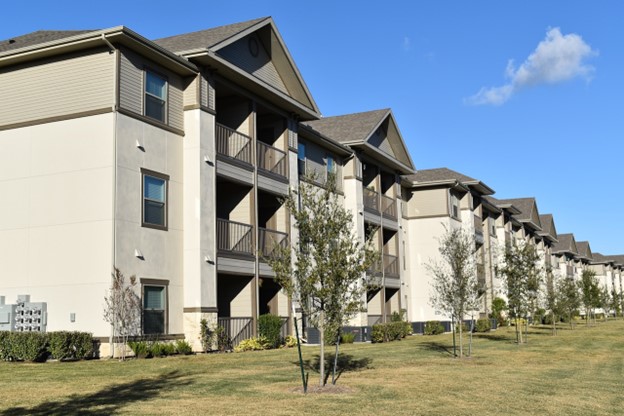
Life plan communities, also known as continuing care retirement communities (CCRCs), offer a comprehensive range of living arrangements and care options within a single campus. These communities allow seniors to transition seamlessly from independent living to assisted living or skilled nursing care as their needs change.
Key Considerations for Life Plan Communities:
1. Tiered Care Levels: Life plan communities offer a continuum of care, allowing residents to age in place within the same community. This ensures that as care needs increase, appropriate support services are available without the need to relocate.
2. Contract Types: Different life plan communities have varying contract structures. Some require the purchase of a property within the community, while others charge an entrance fee and assess a monthly charge. Understand the contract terms, including costs, services included, and potential fee increases as care needs change.
3. Financial Stability: Research the financial stability of the life plan community, mainly if it is a not-for-profit organization. Ensure appropriate measures are in place to protect residents' investments and cover potential costs in case of financial challenges.
Subsidized Housing: Affordable Options Based on Income
Subsidized housing programs offer affordable housing options for seniors based on their income level. At the local, state, and federal levels, these programs aim to provide safe and affordable housing for low-income individuals and families. However, navigating subsidized housing programs can be complex, and there may be waiting lists for available units.
Key Considerations for Subsidized Housing:
1. Eligibility and Application Process: Each subsidized housing program has its own eligibility criteria and application process. Understanding the requirements and gathering the necessary documentation when applying is essential. Consult with housing counselors through the Department of Housing and Urban Development (HUD) or local nonprofits for assistance.
2. Waiting Lists: Many subsidized housing programs have waiting lists due to high demand. Applying as early as possible is essential, even if you believe you won't need subsidized housing for several years. Waiting lists can be long, and securing affordable housing may require patience.
3. Program Variations: Subsidized housing programs may differ in unit availability, location, rent subsidies, and services provided. Research and compare different programs to find the best fit for your needs and preferences.
Affording Senior Living: Financial Planning for the Future
As you explore housing options for your senior years, it's essential to consider the financial aspects and plan for the future. Saving for retirement early and making informed financial decisions can help ensure your housing needs are met as you age.
Key Considerations for Affording Senior Living:
1. Saving for Retirement: Start saving for retirement as early as possible to build a financial cushion for your housing needs. Consider earmarking 15% of your income for retirement and gradually work towards that goal if you're not currently able to contribute that amount.
2. Maximizing Retirement Benefits: Explore strategies to maximize your retirement benefits, such as delaying Social Security until age 70 to increase your benefit amount. You may also consider longevity annuities or long-term care policies to protect your financial well-being.
3. Consulting a Senior Real Estate Specialist: When navigating the complexities of senior housing and financing, consider working with a realtor who specializes in serving seniors. A Senior Real Estate Specialist (SRES) has the expertise and knowledge to guide you through the process and help you make informed decisions.
Conclusion
As you plan for your housing needs in your senior years, it's crucial to consider various options and weigh the benefits and considerations of each. Careful consideration and planning are essential if you age in place, move in with family, explore house sharing, or opt for independent living, assisted living, life plan community, or subsidized housing. By taking the time to understand your needs, finances, and available resources, you can make an informed decision that supports your lifestyle, independence, and overall well-being.

Your Luxury REALTOR®, Trusted Advisor — Quintessential Naples Team at Downing-Frye Realty®Michael "Mike" Downer is the REALTOR® you want in your corner when buying or selling real es....
3 Bedrooms | 2 Bathrooms | More Than 2,000 Sq. Ft. | Fenced Backyard | Optional Boating AccessPresented by Michael Downer, Broker Associate | Downing-Frye Realty | Quintessential NaplesMore Space,
Newly Renovated | Impact Windows | New Appliances | Room for a Pool | No HOA | Golden Gate CityPresented by Michael Downer, Broker Associate | Downing-Frye Realty | Quintessential NaplesLess Fixing.
4 Bedrooms | 2 Bathrooms | Lakefront Pool Home | Reflection Lakes Presented by Mike Downer, Broker Associate | Downing-Frye Realty | Quintessential NaplesA Little More Time to Enjoy FloridaSome
2 Bedrooms | 2 Bathrooms | First-Floor Residence | Bonita SpringsPresented by Mike Downer, Broker Associate | Downing-Frye Realty | Quintessential NaplesA Simple Way to Enjoy Southwest
 All information regarding a property for sale, rental or financing, school information and public tax records is from sources deemed reliable; PROVIDED, HOWEVER, that representations and warranties are not made about the accuracy thereof, and such information is subject to errors, omissions, updates, modifications, changes of price, rent rates, commissions, prior sales, leases or financing, changes in school boundaries, or withdrawal without notice. All information displayed on this Website should
be independently verified if any person intends to engage in a transaction based upon such information.
Show More...
All information regarding a property for sale, rental or financing, school information and public tax records is from sources deemed reliable; PROVIDED, HOWEVER, that representations and warranties are not made about the accuracy thereof, and such information is subject to errors, omissions, updates, modifications, changes of price, rent rates, commissions, prior sales, leases or financing, changes in school boundaries, or withdrawal without notice. All information displayed on this Website should
be independently verified if any person intends to engage in a transaction based upon such information.
Show More...
 © 2026 Florida Gulf Coast MLS (FGCMLS) Information deemed reliable, but not guaranteed. The IDX data relating to real estate for sale on this web site comes in part from the Florida Gulf Coast Multiple Listing Service. The information being provided is for consumers' personal, non-commercial use and may not be used for any purpose other than to identify prospective properties consumers may be interested in purchasing. Information is deemed reliable but not guaranteed.
 This data is up-to-date as of September 25, 2026 6:55 PM UTC Some properties that appear for sale on this website may subsequently have sold and may no longer be available. For the most current information, contact Downing-Frye Realty.
The information provided is for consumers' personal, non-commercial use and may not be used for any other purpose. The data relating to real estate for sale on this website comes in part from the Broker Reciprocity Program (BR Program) of M.L.S. of Naples, Inc.,
Florida Gulf Coast MLS, Marco Multi-List, Inc., My Florida Regional MLS, or Miami Association of Realtors. Properties listed with brokerage firms other than Downing-Frye Realty are marked with the BR Program Icon or the BR House Icon and detailed information about them includes the name of the listing brokers. The properties displayed may not be all the properties available through the BR Program. The data provided by the Broker Reciprocity Program, and the Information is Deemed Reliable But Not Guaranteed. The source of the information about real property available for sale or rent is the copyrighted and proprietary database of the M.L.S. of Naples, Inc., Florida Gulf Coast MLS, Marco Multi-List, Inc., My Florida Regional MLS, or Miami Association of Realtors. Copyright 2026 M.L.S. of Naples, Inc., Florida Gulf Coast MLS, Marco Multi-List, Inc., My Florida Regional MLS, Miami Association of Realtors.; all rights reserved.
Show More...
This data is up-to-date as of September 25, 2026 6:55 PM UTC Some properties that appear for sale on this website may subsequently have sold and may no longer be available. For the most current information, contact Downing-Frye Realty.
The information provided is for consumers' personal, non-commercial use and may not be used for any other purpose. The data relating to real estate for sale on this website comes in part from the Broker Reciprocity Program (BR Program) of M.L.S. of Naples, Inc.,
Florida Gulf Coast MLS, Marco Multi-List, Inc., My Florida Regional MLS, or Miami Association of Realtors. Properties listed with brokerage firms other than Downing-Frye Realty are marked with the BR Program Icon or the BR House Icon and detailed information about them includes the name of the listing brokers. The properties displayed may not be all the properties available through the BR Program. The data provided by the Broker Reciprocity Program, and the Information is Deemed Reliable But Not Guaranteed. The source of the information about real property available for sale or rent is the copyrighted and proprietary database of the M.L.S. of Naples, Inc., Florida Gulf Coast MLS, Marco Multi-List, Inc., My Florida Regional MLS, or Miami Association of Realtors. Copyright 2026 M.L.S. of Naples, Inc., Florida Gulf Coast MLS, Marco Multi-List, Inc., My Florida Regional MLS, Miami Association of Realtors.; all rights reserved.
Show More...
