3 Bedrooms | 2 Bathrooms | More Than 2,000 Sq. Ft. | Fenced Backyard | Optional Boating AccessPresented by Michael Downer, Broker Associate | Downing-Frye Realty | Quintessential NaplesMore Space,

Dated: April 13 2026
Views: 232
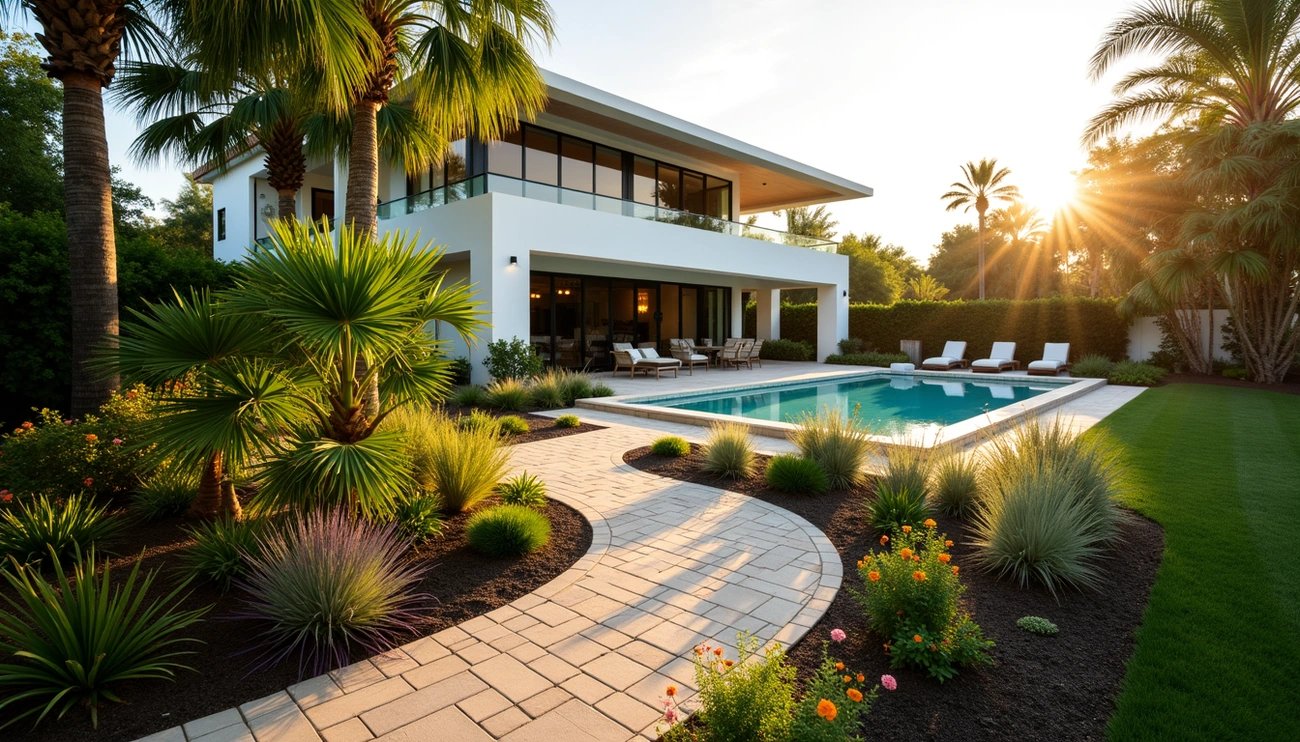
Key Takeaways
Transform your Naples luxury property into an eco-friendly showcase that commands premium prices while delivering long-term financial benefits through strategic sustainable landscaping choices.
• Eco-friendly landscaping delivers 30% property premiums - Naples homes with green features command significantly higher prices and sell 9 days faster than traditional properties.
• Native Florida plants slash maintenance costs - Drought-tolerant species like live oak and coontie require minimal irrigation once established, reducing water bills by 20-50%.
• Smart irrigation systems provide immediate ROI - Weather-based controllers save homeowners 7,600 gallons annually while reducing outdoor water use by up to 70%.
• Climate-resilient design protects your investment - Hurricane-resistant trees and salt-tolerant coastal plants safeguard against storm damage while maintaining curb appeal.
• Financial incentives accelerate payback periods - Municipal rebates up to $3,000 for water-wise landscaping, plus 5% insurance discounts for green certifications, maximize returns.
The luxury market increasingly views sustainability as essential rather than optional. Properties that combine environmental performance with premium aesthetics position themselves for faster sales, higher valuations, and reduced operating costs in Naples' competitive real estate landscape.
Eco-friendly landscaping in Naples delivers impressive returns. Properties with green features now command a 30% premium over traditional luxury homes. Naples homes with eco-friendly features appreciated by 195.16% over the last decade.
We'll show you how to create sustainable landscapes that boost your property value. You'll find strategies to work with an eco-friendly landscaping company, from selecting native plants to installing smart irrigation systems. We'll cover climate-resilient designs and water management solutions. Financial incentives make eco-friendly landscaping services a smart investment for your luxury property.
Understanding Eco-Friendly Landscaping Value in Naples
Why Naples Luxury Buyers Want Eco-Friendly Features
Luxury buyers in Naples seek more than aesthetic appeal when selecting properties. Research reveals that 60% of wealthy individuals prioritize sustainable and energy-efficient features during their property search. This change stems from multiple motivations that extend beyond environmental consciousness.
High-end buyers recognize that eco-friendly landscaping company services deliver tangible financial benefits. Energy Star-certified properties consume 35% less energy. This translates to substantial savings on utility bills for large luxury homes. Sustainable building materials prove more resilient in Florida's coastal climate and protect multi-million dollar investments from harsh weather conditions.
Younger professionals and families view sustainable properties as status symbols that reflect personal values. Environmental stewardship represents discerning wealth rather than mere opulence for this demographic. Knight Frank India Wealth Report found that 71% of luxury homebuyers under 40 prefer green-certified residences. They cite long-term savings, asset appreciation, and alignment with personal values as key motivators.
How Sustainable Landscaping Adds Property Value
The financial effect of eco-friendly landscaping services proves substantial. Green-certified Naples properties command a 2.7% premium over traditional luxury homes. This percentage translates into hundreds of thousands of dollars in added value when applied to multi-million-dollar estates.
Professional landscape design incorporating sustainable elements can boost property value by up to 15%. The Florida Nursery Growers and Landscape Association reports that smart landscaping increases resale value by 14%. Properties adjacent to green infrastructure experience a 5-15% value increase compared to similar homes without such features.
Homes featuring sustainable landscaping elements such as native plant gardens and rainwater harvesting systems show a 6-11% increase in resale value. Buyers pay premiums for properties with low-maintenance, water-efficient, eco-friendly garden landscaping.
Speed matters as much. Sustainable homes sell 9 days faster than regular properties. Houses with drought-resistant landscaping sell 9.2 days faster than similar homes. The Florida Nursery Growers and Landscape Association found that properties with eco-friendly landscaping services sell six weeks faster. This reduces carrying costs for sellers.
Current Market Trends and Buyer Expectations
Naples' luxury market shows accelerating adoption of sustainable features. Currently, 40% of single-family properties incorporate sustainable elements. Experts predict that 84% of new homes will include green features by year's end.
The financial outlook remains strong. Florida's luxury property market projects values will rise 5-7% over the next 12-18 months. Properties with green certifications sell for 10-20% more than similar homes without such certifications. Eco-friendly luxury properties earn investors 15% more in rental income.
Market dynamics indicate that sustainability has evolved from a niche preference to a standard expectation in luxury real estate. Homeowners no longer seek aesthetics alone. They choose responsibility as a defining factor when selecting luxury properties. This change positions eco-friendly landscaping near me searches as common among discerning Naples buyers seeking properties that combine environmental performance with premium living standards.
Planning Your Eco-Friendly Landscape Design
Assess Your Property's Climate Conditions
Naples lies within a subtropical climate zone, with moderate temperatures ranging from 60°F to 85°F during the spring months. High humidity and plentiful rainfall define the growing season. Sudden downpours and prolonged periods of moisture are common throughout the year. Plant selection and drainage planning require you to understand these patterns.
Start by evaluating sun exposure patterns and wind conditions across your property. Southwest Florida's climate differs from that of the northern parts of the state. So plants originating in the peninsula's lower quarter perform better than those labeled simply as "Florida native". The Caribbean serves as an excellent reference point. Plants from these islands adapt well to storms, saltwater, and heat while thriving in high-alkaline, sandy soils without excessive fertilizers.
Conduct a soil test to determine pH levels and identify nutrient deficiencies. Subtropical soils often benefit from organic matter amendments such as compost or well-rotted manure to boost fertility. In addition to soil chemistry, inspect drainage to prevent waterlogging, which can lead to root rot during heavy rainfall.
Set Your Budget and Value Goals
Experts recommend investing 5-10% of your home's value in landscaping for solid ROI. Basic landscape work costs $5.00 to $15.00 per square foot. Detailed installations, including irrigation systems and hardscaping, run $20.00 to $40.00 per square foot.
Estimate material costs for mulch, stone, and plants upfront. Factor in overhead expenses such as delivery, permits, and specialized tools as well. Ask about hourly rates and billing structures to avoid surprises if hiring professionals.
Divide your project into phases to spread costs over time. Focus on structural elements first before adding plants and decorative features. This approach delivers better results while managing cash flow. Environmentally responsible landscaping lowers maintenance costs through drought-resistant plants, energy-efficient lighting, and smart irrigation systems. These features appeal to environmentally-conscious buyers while reducing utility expenses over time.
Work With an Eco-Friendly Landscaping Company
Select professionals who really assess your property's needs, climate conditions, and goals. SITES certification provides a framework for designing sustainable landscapes. Certified projects help reduce water demand, filter stormwater runoff, and boost biodiversity. Projects should register early in the design process to benefit from SITES guidelines and worksheets.
Look for companies whose field personnel complete recognized training programs. Field supervisors and contract managers should hold certifications demonstrating expertise in environmentally responsible practices. Good communication remains key to successful partnerships. Choose firms that provide clear updates and actively involve you in decision-making.
Positive reviews from other luxury property owners offer valuable insight into reliability and results. A company's reputation reflects its ability to deliver sustainable outcomes that align with your investment goals.
Create a Long-Term Maintenance Plan
Sustainable maintenance follows core principles that reduce resource consumption:
1. Smart irrigation practices using weather-based or soil moisture-based controllers, with plants grouped by similar water requirements
2. Proper pruning techniques avoiding stubs, toppings and shearing that compromise plant health
3. System inspections to identify and repair irrigation issues promptly
4. Seasonal schedule adjustments accounting for Naples' distinct wet and dry periods
Require detailed recordkeeping from maintenance contractors. This includes site maps with planting plans, watering schedules, water usage reports, and inspection documentation. Monitor these records to track resource efficiency and identify optimization opportunities.
Adjust irrigation during winter dry months as water restrictions may apply. Skip watering if rain occurred within the past 24 hours or if the forecast predicts precipitation. These practices conserve water while maintaining landscape health throughout seasonal variations.
Choose the Right Eco-Friendly Landscaping Elements
Choosing the right elements transforms standard landscaping into value-adding, eco-friendly features. Each component serves dual purposes: environmental stewardship and increased property appeal.
Select Native Florida Plants for Your Property
Native Florida plants deliver water savings and support local ecosystems. Drought-tolerant species thrive with minimal irrigation once established. This reduces water bills and environmental impact. These plants evolved alongside fires, storms, sandy soil, and prolonged dry spells. They bounce back faster than exotic alternatives.
Think over beautyberry, muhly grass, coontie, and firebush for Central Florida zones. Coastal properties benefit from salt-tolerant options like seagrape and saw palmetto. Live oak supports over 500 species of moths and butterflies. Its acorns feed more than 100 vertebrate species. Native plants require no heavy fertilizers or constant watering once established.
Install Smart Irrigation and Water Management Systems
Smart irrigation controllers reduce outdoor water use by 20% to 50% according to EPA data. These systems adjust watering schedules using live weather data, soil moisture levels, and evapotranspiration rates. Homeowners save around 7,600 gallons each year. Some installations achieve 40% to 70% water reduction when configured correctly.
Weather-based controllers use local climate data to adjust irrigation schedules autonomously. Soil moisture sensors placed in root zones prevent overwatering. They detect actual water content. Florida's variable rainfall patterns make these technologies essential. They prevent waste during wet periods and maintain landscape health.
Add Permeable Pavers and Drainage Solutions
Permeable pavement allows rainwater to infiltrate underlying soil layers rather than creating runoff. These materials include pervious concrete, interlocking pavers, and plastic grid systems. Permeable surfaces reduce runoff volume and filter pollutants that contribute to water contamination.
Installation requires perforated sub-drains covered with compacted aggregate layers. Gaps between solid concrete pavers get filled with granite chips or crushed stone. This enables water passage. Permeable pavers are suitable for driveways, patios, and walkways. They replenish groundwater supplies.
Incorporate Rain Gardens and Bioswales
Rain gardens are depressed landscape areas. They collect water from roofs, driveways, and streets for infiltration into the ground. Planted with grasses and flowering perennials, they filter pollutants and provide wildlife habitat. Water should infiltrate within 48 hours to prevent mosquito breeding.
Locate rain gardens at least 10 feet from building foundations. Typical residential installations range from 100 to 300 square feet. They handle runoff from hard surfaces three times their size. Bioswales function the same way but move water through sloped channels to rain gardens or other drainage areas.
Use Reclaimed Water for Irrigation
Reclaimed water undergoes rigorous treatment for non-potable uses, such as landscape irrigation. Production of recycled water will rise by 37%, from 4.8 billion to 6.6 billion gallons daily, by 2027. Florida promotes the reuse of reclaimed water as a major conservation goal.
Reclaimed irrigation water meets stringent Florida Department of Environmental Protection standards. This resource conserves potable water supplies and potentially recharges groundwater. Note that reclaimed water is suitable for ornamental plants and lawns, but should not contact edible crops or fill swimming pools.
Implement Climate-Resilient Design Features
Climate challenges in Naples require strategic design choices that protect your investment while maintaining aesthetic appeal. Hurricane-force winds, salt spray, and heavy rainfall patterns require specific solutions.
Plant Hurricane-Resistant Trees and Shrubs
University of Florida research identifies trees with proven storm survival rates. Live oak and sand live oak earned the highest wind-resistance ratings, along with Southern magnolia, American holly, and Sabal palm. These species withstand hurricane conditions through their dense wood structure and pyramidal shapes, which deflect wind. Some have flexible trunks that bend rather than break.
Planting strategy matters as much. Trees grouped in clusters of five or more survive storms better than isolated specimens. Root space proves critical. Trees surrounded by buildings or hard surfaces on multiple sides cannot anchor properly. Preventative pruning increases the chances of survival by removing vulnerable limbs before storm season.
Avoid species with poor wind resistance, including sand pine, laurel oak, and Southern red oak. Older trees with preexisting damage face higher failure rates.
Design Salt-Tolerant Coastal Landscaping
Coastal properties require plants rated for direct exposure to salt spray. Select live oak, Southern magnolia, wax myrtle, or yaupon holly for the highest salt tolerance. Cabbage palms handle coastal conditions through high salt tolerance and hurricane damage resistance.
Moderately salt-tolerant shrubs, including oleander and pittosporum, work for areas sheltered by structures or dunes. Layer plantings with care. Place highly tolerant species as windbreaks and protect more delicate plants behind them.
Build Effective Stormwater Drainage Systems
Proper drainage prevents foundation damage and standing water issues. Start by analyzing the topography and identifying where water enters and exits your property. Check on-site patterns, including high points and valleys.
The correct slope directs water away from structures at 2 to 3 inches per 10 feet. French drains using perforated pipes surrounded by gravel manage excess water on sloping terrain. Dry wells provide underground storage and allow water to filter into the groundwater table gradually.
Create Shade Structures for Energy Efficiency
Trees positioned with care save up to 25% of household energy costs. Plant deciduous trees on the east, south, and west sides. They provide summer shade while allowing winter sunlight to penetrate. Shade trees reduce cooling demand when planted close enough for crowns to overhang south-facing roofs.
Cover the east- and west-facing walls with vegetation or attached structures to maximize afternoon heat reduction. Evergreens planted on the north side deflect cold winds and potentially reduce heating costs by 25%.
Maximize Financial Returns and Property Value
Resilient features protect your investment and realize multiple revenue streams. Municipalities and insurers reward green choices through direct financial incentives.
Apply for Tax Credits and Rebates
Municipal water conservation programs offset installation costs. Residential properties qualify for rebates of up to $3,000.00 when converting high-water-use landscapes to low-water alternatives. Rain garden installations receive partial or full reimbursement through programs like RainWise. Some municipalities allow multiple applications in different jurisdictions. You can stack city, county, and water authority rebates.
Reduce Insurance Premiums Through Green Certification
LEED-certified homes receive a 5% annual premium discount, saving approximately $100.00 per year. Green-certified properties carry lower risk due to superior materials and systems. Insurers recognize this. You must submit certification documentation directly to your insurer to activate these discounts.
Track Utility Savings and ROI
Compare landscaping costs against financial benefits. These include increased rental income, lower vacancy rates, and reduced utility expenses. The formula is simple: ROI equals net profit divided by total investment. Eco-friendly landscaping services reduce water consumption and maintenance costs. This accelerates payback periods.
Position Your Property for Faster Sales
Homes with drought-resistant landscaping sell 9.2 days faster than comparable properties. Eco-friendly features help homes sell up to 10 days faster overall. Hurricane shutters command 1.4% price premiums, while seismic updates reduce time on market by 19 days.
Conclusion
You now have a complete roadmap to revolutionize your Naples property with eco-friendly landscaping that delivers real financial returns. Each element we covered works together to boost your property value while reducing long-term costs, from selecting native plants to installing smart irrigation systems.
The market data speaks volumes: eco-friendly landscapes command higher prices and attract qualified buyers faster. They provide ongoing savings through reduced utility and maintenance costs. Start with your climate assessment and partner with certified professionals who understand Naples's unique conditions.
Your investment in eco-friendly features pays dividends right away and continues appreciating over time. Luxury buyers searching for properties today expect sustainability as standard, not optional.
Not all “experts” are local—and that matters.
The Quintessential Naples Team at Coldwell Banker Realty translates hyper-local knowledge and community nuance into strategic advantage for buyers, sellers, and investors.
#QuintessentialNaples
#ColdwellBankerRealty
#NaplesRealEstate
#NaplesLuxury
#NaplesLuxuryRealEstate
#LuxuryHomesInNaples
#TrustedRealEstateAdvisor
#GenerationalWealth
#LuxuryLifestyle
#SouthwestFloridaRealEstate
FAQs
Q1. How much does eco-friendly landscaping increase property value in Naples? Eco-friendly landscaping can boost property value by up to 15%, with green-certified properties commanding a 2.7% premium over traditional luxury homes. In Naples specifically, properties with sustainable features have appreciated by 195.16% over the last decade, and homes with eco-friendly landscaping typically sell for 10-20% more than similar homes without such features.
Q2. What are the best native plants for Naples luxury properties? For Naples properties, excellent native plant choices include beautyberry, muhly grass, coontie, and firebush. Coastal properties benefit from salt-tolerant options like seagrape, saw palmetto, and coontie palm. Live oak is particularly valuable as it supports over 500 species of moths and butterflies. These native plants require minimal irrigation once established and thrive in Florida's subtropical climate without the use of heavy fertilizers.
Q3. How much water can smart irrigation systems save? Smart irrigation controllers can reduce outdoor water use by 20% to 50% according to EPA data. Homeowners typically save around 7,600 gallons annually, with some properly configured installations achieving water reductions of 40% to 70%. These systems adjust watering schedules automatically using real-time weather data, soil moisture levels, and evapotranspiration rates.
Q4. Do eco-friendly homes sell faster than traditional properties? Yes, sustainable homes sell significantly faster. Properties with eco-friendly landscaping sell 9 days faster than regular properties, while homes with drought-resistant landscaping specifically sell 9.2 days faster. The Florida Nursery Growers and Landscape Association found that properties with eco-friendly landscaping services sell six weeks faster, reducing carrying costs for sellers.
Q5. What financial incentives are available for eco-friendly landscaping in Naples? Residential properties can qualify for rebates of up to $3,000 for converting high-water-use landscapes to low-water alternatives. Rain garden installations may be eligible for partial or full reimbursement through municipal programs. Additionally, LEED-certified homes receive a 5% annual insurance premium discount, saving approximately $100 per year. Some municipalities allow stacking rebates from city, county, and water authority programs.

Your Luxury REALTOR®, Trusted Advisor — Quintessential Naples Team at Downing-Frye Realty®Michael "Mike" Downer is the REALTOR® you want in your corner when buying or selling real es....
3 Bedrooms | 2 Bathrooms | More Than 2,000 Sq. Ft. | Fenced Backyard | Optional Boating AccessPresented by Michael Downer, Broker Associate | Downing-Frye Realty | Quintessential NaplesMore Space,
Newly Renovated | Impact Windows | New Appliances | Room for a Pool | No HOA | Golden Gate CityPresented by Michael Downer, Broker Associate | Downing-Frye Realty | Quintessential NaplesLess Fixing.
4 Bedrooms | 2 Bathrooms | Lakefront Pool Home | Reflection Lakes Presented by Mike Downer, Broker Associate | Downing-Frye Realty | Quintessential NaplesA Little More Time to Enjoy FloridaSome
2 Bedrooms | 2 Bathrooms | First-Floor Residence | Bonita SpringsPresented by Mike Downer, Broker Associate | Downing-Frye Realty | Quintessential NaplesA Simple Way to Enjoy Southwest
 All information regarding a property for sale, rental or financing, school information and public tax records is from sources deemed reliable; PROVIDED, HOWEVER, that representations and warranties are not made about the accuracy thereof, and such information is subject to errors, omissions, updates, modifications, changes of price, rent rates, commissions, prior sales, leases or financing, changes in school boundaries, or withdrawal without notice. All information displayed on this Website should
be independently verified if any person intends to engage in a transaction based upon such information.
Show More...
All information regarding a property for sale, rental or financing, school information and public tax records is from sources deemed reliable; PROVIDED, HOWEVER, that representations and warranties are not made about the accuracy thereof, and such information is subject to errors, omissions, updates, modifications, changes of price, rent rates, commissions, prior sales, leases or financing, changes in school boundaries, or withdrawal without notice. All information displayed on this Website should
be independently verified if any person intends to engage in a transaction based upon such information.
Show More...
 © 2026 Florida Gulf Coast MLS (FGCMLS) Information deemed reliable, but not guaranteed. The IDX data relating to real estate for sale on this web site comes in part from the Florida Gulf Coast Multiple Listing Service. The information being provided is for consumers' personal, non-commercial use and may not be used for any purpose other than to identify prospective properties consumers may be interested in purchasing. Information is deemed reliable but not guaranteed.
 This data is up-to-date as of September 25, 2026 6:55 PM UTC Some properties that appear for sale on this website may subsequently have sold and may no longer be available. For the most current information, contact Downing-Frye Realty.
The information provided is for consumers' personal, non-commercial use and may not be used for any other purpose. The data relating to real estate for sale on this website comes in part from the Broker Reciprocity Program (BR Program) of M.L.S. of Naples, Inc.,
Florida Gulf Coast MLS, Marco Multi-List, Inc., My Florida Regional MLS, or Miami Association of Realtors. Properties listed with brokerage firms other than Downing-Frye Realty are marked with the BR Program Icon or the BR House Icon and detailed information about them includes the name of the listing brokers. The properties displayed may not be all the properties available through the BR Program. The data provided by the Broker Reciprocity Program, and the Information is Deemed Reliable But Not Guaranteed. The source of the information about real property available for sale or rent is the copyrighted and proprietary database of the M.L.S. of Naples, Inc., Florida Gulf Coast MLS, Marco Multi-List, Inc., My Florida Regional MLS, or Miami Association of Realtors. Copyright 2026 M.L.S. of Naples, Inc., Florida Gulf Coast MLS, Marco Multi-List, Inc., My Florida Regional MLS, Miami Association of Realtors.; all rights reserved.
Show More...
This data is up-to-date as of September 25, 2026 6:55 PM UTC Some properties that appear for sale on this website may subsequently have sold and may no longer be available. For the most current information, contact Downing-Frye Realty.
The information provided is for consumers' personal, non-commercial use and may not be used for any other purpose. The data relating to real estate for sale on this website comes in part from the Broker Reciprocity Program (BR Program) of M.L.S. of Naples, Inc.,
Florida Gulf Coast MLS, Marco Multi-List, Inc., My Florida Regional MLS, or Miami Association of Realtors. Properties listed with brokerage firms other than Downing-Frye Realty are marked with the BR Program Icon or the BR House Icon and detailed information about them includes the name of the listing brokers. The properties displayed may not be all the properties available through the BR Program. The data provided by the Broker Reciprocity Program, and the Information is Deemed Reliable But Not Guaranteed. The source of the information about real property available for sale or rent is the copyrighted and proprietary database of the M.L.S. of Naples, Inc., Florida Gulf Coast MLS, Marco Multi-List, Inc., My Florida Regional MLS, or Miami Association of Realtors. Copyright 2026 M.L.S. of Naples, Inc., Florida Gulf Coast MLS, Marco Multi-List, Inc., My Florida Regional MLS, Miami Association of Realtors.; all rights reserved.
Show More...
