3 Bedrooms | 2 Bathrooms | More Than 2,000 Sq. Ft. | Fenced Backyard | Optional Boating AccessPresented by Michael Downer, Broker Associate | Downing-Frye Realty | Quintessential NaplesMore Space,

Dated: August 26 2026
Views: 111
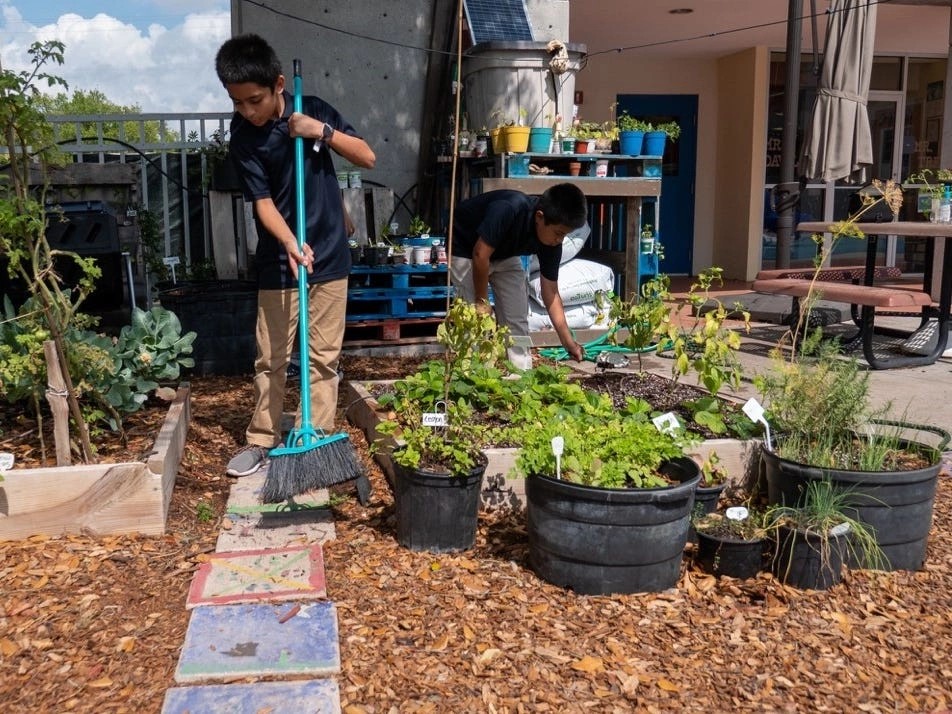
Transform your Naples garden using proven techniques from the area's 80+ championship golf courses that have successfully merged environmental sustainability with stunning landscapes.
Start with soil testing through your local UF/IFAS Extension Office, then implement changes gradually—beginning with one garden section allows you to master sustainable techniques while reducing costs and environmental impact immediately. Naples boasts over 80 championship courses[21] and more golf courses per capita than anywhere else in the world[21], but here's what makes it remarkable: organic golf courses in the area are leading a sustainability revolution you can replicate in your own backyard.
The best golf communities in Naples, FL, have reshaped their landscaping approaches. These environmentally friendly golf courses now use green practices such as organic fertilizers and native vegetation protection, while managing pests without chemicals. Eco-friendly golf courses demonstrate that beautiful landscapes and environmental responsibility can coexist.
We've learned from these sustainable golf courses to show you how to create your own eco-friendly garden using proven professional techniques.
Image Source: Facebook
"Sustainable golf can be widely and credibly embraced across the industry." — International Golf Federation (IGF), Global governing body for golf.
Golf course superintendents throughout Southwest Florida found that working with nature rather than against it produces better results. Their methods reveal a blueprint for homeowners seeking to reduce water bills and eliminate harmful chemicals from their yards.
Converting unnecessary managed turf to native vegetation is the foundation of sustainable landscaping[1]. Native plants have evolved to thrive in Florida's specific conditions and are adapted to the region's climate, soils, and pests[22]. Florida's unique ecosystems host a wide variety of indigenous plant species that require less irrigation because they've adapted to natural rainfall patterns [22].
Local wildlife, including pollinators, birds, and insects, depends on these native plants for habitat and food sources [22]. Golf courses in Florida have established wildlife habitats in out-of-play areas through landscaping with native vegetation, creating wetlands, and installing bird-nesting boxes [23] through Audubon International's Cooperative Sanctuary program. As a result, five local courses have received international recognition [23]. Native plants also prevent soil erosion through their deep root systems and improve soil quality [22].
Smart irrigation systems employ sensors to monitor soil moisture levels and deliver precise watering only when needed[24]. Weather-based controllers automatically adjust watering schedules based on up-to-the-minute weather data, soil moisture levels, and evapotranspiration rates[25]. Some advanced systems, compared to traditional time-based systems, reduce irrigation water use by 30-50% [25].
The golf industry achieved a 29% reduction in water use from 2005 to 2020[25]. Total projected irrigation declined by 31% nationally from 2005 to 2024, with applied water per acre decreasing by 15% [26]. Handheld soil moisture sensors increased from 33% adoption in 2013 to 55% in 2024[26]. Storage ponds collect storm runoff, while tertiary-treated effluent from municipal sewage treatment facilities provides recycled water that supplies moisture and nutrients [27].
Compost-based fertilizers provide slow-release nutrients and improve soil structure and water retention[25]. Research demonstrates that appearance and vegetative density improve with compost incorporation, and that drought resistance is observed in the months following application [4]. Microbial soil enhancers introduce beneficial bacteria and fungi that form symbiotic relationships with grass roots and improve nutrient uptake and disease resistance[25].
Integrated pest management resulted in 33-96% less environmental impact without reducing quality while maintaining cost-effectiveness[25]. Natural deterrents like neem oil provide targeted pest control with minimal environmental impact, affecting only specific pests while preserving beneficial insects like pollinators [25]. Native plants resist local pests and diseases, thereby requiring fewer chemical interventions [22].
"Odd as I am sure it will appear to some, I can think of no better form of personal involvement in the cure of the environment than that of gardening. A person who is growing a garden, if he is growing it organically, is improving a piece of the world." — Wendell Berry, Author and Environmentalist.
Building your garden with environmentally responsible practices requires the same professional-grade materials that eco-friendly golf courses rely on. These tools and products are the foundations of any successful eco-friendly landscape.
stands out as Southwest Florida's only native cycad and serves as the host plant for the rare Atala butterfly [28]. Simpson's Stopper handles drought, occasional flooding, salt spray, and varying light conditions without issue[28]. Pink Muhly Grass creates ethereal pink-purple plumes in the fall and maintains blue-green foliage year-round [28]. Beach Sunflower thrives in sandy, poor soil and produces bright yellow flowers almost year-round[29]. Firebush ranks among the best native species for attracting wildlife[30].
These survive on natural rainfall alone once established, drought-tolerant varieties[5]. Native plants need fertilizer less often and have fewer pests because they resist pests better [31].
Carbon-rich, organic-based fertilizers feed soil microbes first[32]. Organic fertilizers supply carbon for microbes and provide nitrogen in slow-release forms that microbes can process well [33]. This approach poses minimal risk of plant burn and environmental damage from runoff or leaching [33]. Organic fertilizers also introduce new beneficial microbes into the soil and enhance the diversity of soil organisms [33]. Biological soil management starts with sound soil testing and a clear understanding of soil chemistry [32].
Drip irrigation exceeds 90 percent efficiency, whereas sprinkler systems achieve only 50 to 70 percent efficiency[9]. These systems deliver water above, on, or below the soil surface and minimize losses from runoff, wind, and evaporation [9]. A pressure regulator maintains proper specifications, and filtration removes algae, sand, and other materials[9].
Spinosad, made from a soil bacterium, affects insect nervous systems and works best on caterpillars, thrips, beetles, and leaf miners[10]. Bacillus thuringiensis produces toxins that are lethal to insect larvae [10]. Neem oil disrupts insect hormonal systems and makes feeding and reproduction difficult[11]. Diatomaceous earth kills hard-shelled insects by cutting through exoskeletons[10].
Transforming your yard into an environmentally responsible landscape follows the same sequence used by environmentally responsible golf courses during renovation projects.
Begin by testing soil through your local UF/IFAS Extension Office. Results arrive in 5-7 business days[12]. Most plants perform best at a pH between 6 and 7 [2]. Florida's Myakka soil covers more than 1½ million acres statewide[2]. Use the Web Soil Survey through USDA to determine your land's native soil texture[2].
Group plants with similar irrigation needs into hydrozones [13]. Track sunlight at 9:00 am, 12:00 pm, 3:00 pm, and 6:00 pm[14]. Dig a two-foot hole and fill with water to test drainage. Excellent drainage empties within an hour[14].
Dig trenches 6 to 12 inches deep[15]. Drip systems deliver water to roots, exceeding 90 percent efficiency[16].
Plant at a raised level to improve drainage[5]. Apply 2-3 inches of mulch and keep it off trunks[5]. Water deeply the first year[5].
Incorporate 1 to 3 inches of organic amendment into soil to a depth of 6 to 8 inches[6]. Gardens that are 10 years old need about ½ inch per year[6].
Provide three food sources, one water feature, two cover sources, and two nesting areas[17]. Dense shrubs offer escape cover while layered plantings create cool microhabitats[18].
Successful gardens just need consistent attention throughout the year. Golf course superintendents follow specific maintenance protocols that adapt to seasonal changes and environmental conditions.
with afternoon rains daily almostFlorida's rainy season stretches from June to October[19]. Adjust irrigation systems during these months to prevent overwatering. Winter and spring remain the driest months[19]. Fungal pests increase during rainy periods and require monitoring[19].
Flow meters track immediate water usage and detect leaks[3]. These systems send alerts about unscheduled water use and provide exact dates and times[3]. Wireless monitoring allows you to compare monthly usage and identify problems before utility bills arrive[3]. Independent zone monitoring catches malfunctioning valves[3].
Apply organic pesticides during late afternoon or early evening after pollinators finish their activity[11][10]. Hand-pick visible pests in early morning when shadows make detection easier[10]. Observe insects before treating them. Many garden spiders and wasps serve beneficial roles[10]. Reapply organic controls after rain or overhead watering[10].
Test soil every three to five years[20]. Fall offers optimal conditions for sampling because fields are available after harvest and laboratories face less work[7]. You receive faster turnaround[7]. Collect samples from multiple sections at three to six inches deep[8].
You now have the exact blueprint that Naples' organic golf courses use to create stunning, green landscapes. Native plants, smart irrigation, organic fertilizers and natural pest control are the foundations of your eco-friendly garden.
These practices will reduce your water bills and support local wildlife over time. Start small with one section of your yard, test your soil and expand your green garden. Your landscape will thrive while protecting Florida's environment for future generations.
From first showing to final signature, strategy matters.
The Quintessential Naples Team at Downing-Frye Realty aligns pricing, timing, and negotiation expertise to protect equity and maximize outcomes in Naples’ competitive luxury real estate market.
#QuintessentialNaples
#Downing-FryeRealty
#NaplesRealEstate
#NaplesLuxury
#NaplesLuxuryRealEstate
#LuxuryHomesInNaples
#TrustedRealEstateAdvisor
#GenerationalWealth
#LuxuryLifestyle
#SouthwestFloridaRealEstate
Q1. How can I start creating an organic garden in my yard? Begin by testing your soil through your local extension office to understand its pH and nutrient levels. Then, select native plants suited to your area's climate and group them by water needs. Mix organic compost or amendments into your soil, install efficient irrigation like drip systems, and use mulch to retain moisture. Start with one section and gradually expand as you gain experience.
Q2. What makes a garden more sustainable and environmentally friendly? A sustainable garden uses native and drought-tolerant plants that require less water and maintenance once established. Replace high-water-demand plants with species adapted to your local climate, promote biodiversity by including various plant types, avoid invasive species, and use organic fertilizers and natural pest control methods instead of harmful chemicals.
Q3. Why should I choose native plants for my Southwest Florida garden? Native plants are naturally adapted to Florida's climate, soil, and pests, requiring significantly less irrigation once established. They provide essential habitat and food for local wildlife including pollinators and birds, resist local pests and diseases without chemical interventions, and help prevent soil erosion through their deep root systems.
Q4. How do organic fertilizers benefit my garden compared to synthetic options? Organic fertilizers feed soil microbes first, which then process nutrients for plants in a slow-release manner. This approach minimizes the risk of plant burn and environmental damage from runoff. They also improve soil structure, enhance water retention, and introduce beneficial microbes that help plants naturally resist diseases and absorb nutrients more efficiently.
Q5. What natural methods can I use to control pests in my garden? Apply organic pesticides like neem oil or spinosad during late afternoon when pollinators are less active. Hand-pick visible pests in early morning, and observe insects before treating since many are beneficial. Use diatomaceous earth for hard-shelled insects, and encourage natural predators by creating diverse plantings. Native plants naturally resist local pests, reducing the need for interventions.
[2] - https://gardeningsolutions.ifas.ufl.edu/care/planting/florida-soil/
[3] - https://banyanwater.com/blog/best-wireless-water-flow-meter-monitoring-for-irrigation-systems/
[4] - https://veransa.com/golf-courses-adopt-more-sustainable-landscape-management/
[5] - https://www.gardenia.net/guide/florida-native-plants-that-are-drought-tolerant
[7] - https://www.canr.msu.edu/news/why_soil_test_in_the_fall
[8] - https://cceorangecounty.org/gardening/soil-testing-for-homeowners
[9] - https://extension.colostate.edu/resource/drip-irrigation-for-home-gardens/
[10] - https://rootsandrefuge.com/organic-garden-pest-control/
[11] - https://www.coghillfarm.com/my-guide-to-organic-pest-control-in-your-garden
[12] - https://southernhorticultureflorida.com/resources/soil-testing
[13] - https://cwel.usu.edu/principles
[15] - https://www.rainbird.com/homeowners/sprinkler-system-installation-guide
[16] - https://www.lowes.com/n/how-to/install-an-underground-sprinkler-system
[17] - https://www.wbu.com/how-to-create-a-wildlife-friendly-habitat/
[19] - https://gardeningsolutions.ifas.ufl.edu/care/florida-friendly/florida-gardening-for-new-residents/
[20] - https://homegarden.cahnr.uconn.edu/factsheets/soil-testing/
[21] - https://www.55places.com/blog/the-best-golf-communities-in-naples-florida
[22] - https://dte.golf/role-native-plants-golf-landscaping-for-greener-approach/
[24] - https://aquaritinturf.com/going-green-on-the-green-sustainable-practices-for-modern-golf-courses/
[25] - https://fsm.how/facility-management-applications-li/sustainable-golf-course-management/
[26] - https://journals.ashs.org/view/journals/horttech/35/5/article-p848.xml
[27] - https://www.usga.org/course-care/water-conservation-on-golf-courses-fbe1f5ee.html
[28] - https://www.naplesgarden.org/yard-care-in-a-drought/
[29] - https://www.wavespestcontrol.com/pest-control/drought-tolerant-plants/
[30] - https://fairchildgarden.org/horticulture/florida-native-plants/
[31] - https://lawnlove.com/blog/native-plants-florida/
[32] - https://www.earthworksturf.com/
[33] -https://golfcoursetrades.com/benefits-of-organic-vs-non-organic-fertilizers/amp/

Your Luxury REALTOR®, Trusted Advisor — Quintessential Naples Team at Downing-Frye Realty®Michael "Mike" Downer is the REALTOR® you want in your corner when buying or selling real es....
3 Bedrooms | 2 Bathrooms | More Than 2,000 Sq. Ft. | Fenced Backyard | Optional Boating AccessPresented by Michael Downer, Broker Associate | Downing-Frye Realty | Quintessential NaplesMore Space,
Newly Renovated | Impact Windows | New Appliances | Room for a Pool | No HOA | Golden Gate CityPresented by Michael Downer, Broker Associate | Downing-Frye Realty | Quintessential NaplesLess Fixing.
4 Bedrooms | 2 Bathrooms | Lakefront Pool Home | Reflection Lakes Presented by Mike Downer, Broker Associate | Downing-Frye Realty | Quintessential NaplesA Little More Time to Enjoy FloridaSome
2 Bedrooms | 2 Bathrooms | First-Floor Residence | Bonita SpringsPresented by Mike Downer, Broker Associate | Downing-Frye Realty | Quintessential NaplesA Simple Way to Enjoy Southwest
 All information regarding a property for sale, rental or financing, school information and public tax records is from sources deemed reliable; PROVIDED, HOWEVER, that representations and warranties are not made about the accuracy thereof, and such information is subject to errors, omissions, updates, modifications, changes of price, rent rates, commissions, prior sales, leases or financing, changes in school boundaries, or withdrawal without notice. All information displayed on this Website should
be independently verified if any person intends to engage in a transaction based upon such information.
Show More...
All information regarding a property for sale, rental or financing, school information and public tax records is from sources deemed reliable; PROVIDED, HOWEVER, that representations and warranties are not made about the accuracy thereof, and such information is subject to errors, omissions, updates, modifications, changes of price, rent rates, commissions, prior sales, leases or financing, changes in school boundaries, or withdrawal without notice. All information displayed on this Website should
be independently verified if any person intends to engage in a transaction based upon such information.
Show More...
 © 2026 Florida Gulf Coast MLS (FGCMLS) Information deemed reliable, but not guaranteed. The IDX data relating to real estate for sale on this web site comes in part from the Florida Gulf Coast Multiple Listing Service. The information being provided is for consumers' personal, non-commercial use and may not be used for any purpose other than to identify prospective properties consumers may be interested in purchasing. Information is deemed reliable but not guaranteed.
 This data is up-to-date as of September 25, 2026 6:55 PM UTC Some properties that appear for sale on this website may subsequently have sold and may no longer be available. For the most current information, contact Downing-Frye Realty.
The information provided is for consumers' personal, non-commercial use and may not be used for any other purpose. The data relating to real estate for sale on this website comes in part from the Broker Reciprocity Program (BR Program) of M.L.S. of Naples, Inc.,
Florida Gulf Coast MLS, Marco Multi-List, Inc., My Florida Regional MLS, or Miami Association of Realtors. Properties listed with brokerage firms other than Downing-Frye Realty are marked with the BR Program Icon or the BR House Icon and detailed information about them includes the name of the listing brokers. The properties displayed may not be all the properties available through the BR Program. The data provided by the Broker Reciprocity Program, and the Information is Deemed Reliable But Not Guaranteed. The source of the information about real property available for sale or rent is the copyrighted and proprietary database of the M.L.S. of Naples, Inc., Florida Gulf Coast MLS, Marco Multi-List, Inc., My Florida Regional MLS, or Miami Association of Realtors. Copyright 2026 M.L.S. of Naples, Inc., Florida Gulf Coast MLS, Marco Multi-List, Inc., My Florida Regional MLS, Miami Association of Realtors.; all rights reserved.
Show More...
This data is up-to-date as of September 25, 2026 6:55 PM UTC Some properties that appear for sale on this website may subsequently have sold and may no longer be available. For the most current information, contact Downing-Frye Realty.
The information provided is for consumers' personal, non-commercial use and may not be used for any other purpose. The data relating to real estate for sale on this website comes in part from the Broker Reciprocity Program (BR Program) of M.L.S. of Naples, Inc.,
Florida Gulf Coast MLS, Marco Multi-List, Inc., My Florida Regional MLS, or Miami Association of Realtors. Properties listed with brokerage firms other than Downing-Frye Realty are marked with the BR Program Icon or the BR House Icon and detailed information about them includes the name of the listing brokers. The properties displayed may not be all the properties available through the BR Program. The data provided by the Broker Reciprocity Program, and the Information is Deemed Reliable But Not Guaranteed. The source of the information about real property available for sale or rent is the copyrighted and proprietary database of the M.L.S. of Naples, Inc., Florida Gulf Coast MLS, Marco Multi-List, Inc., My Florida Regional MLS, or Miami Association of Realtors. Copyright 2026 M.L.S. of Naples, Inc., Florida Gulf Coast MLS, Marco Multi-List, Inc., My Florida Regional MLS, Miami Association of Realtors.; all rights reserved.
Show More...
