3 Bedrooms | 2 Bathrooms | More Than 2,000 Sq. Ft. | Fenced Backyard | Optional Boating AccessPresented by Michael Downer, Broker Associate | Downing-Frye Realty | Quintessential NaplesMore Space,

Dated: July 31 2023
Views: 175
When selling your home, one of the most common questions is whether or not to invest in fixing it up before putting it on the market. While there is no one-size-fits-all answer, several factors should be considered when making this decision.
1. Consider Your Target Buyer
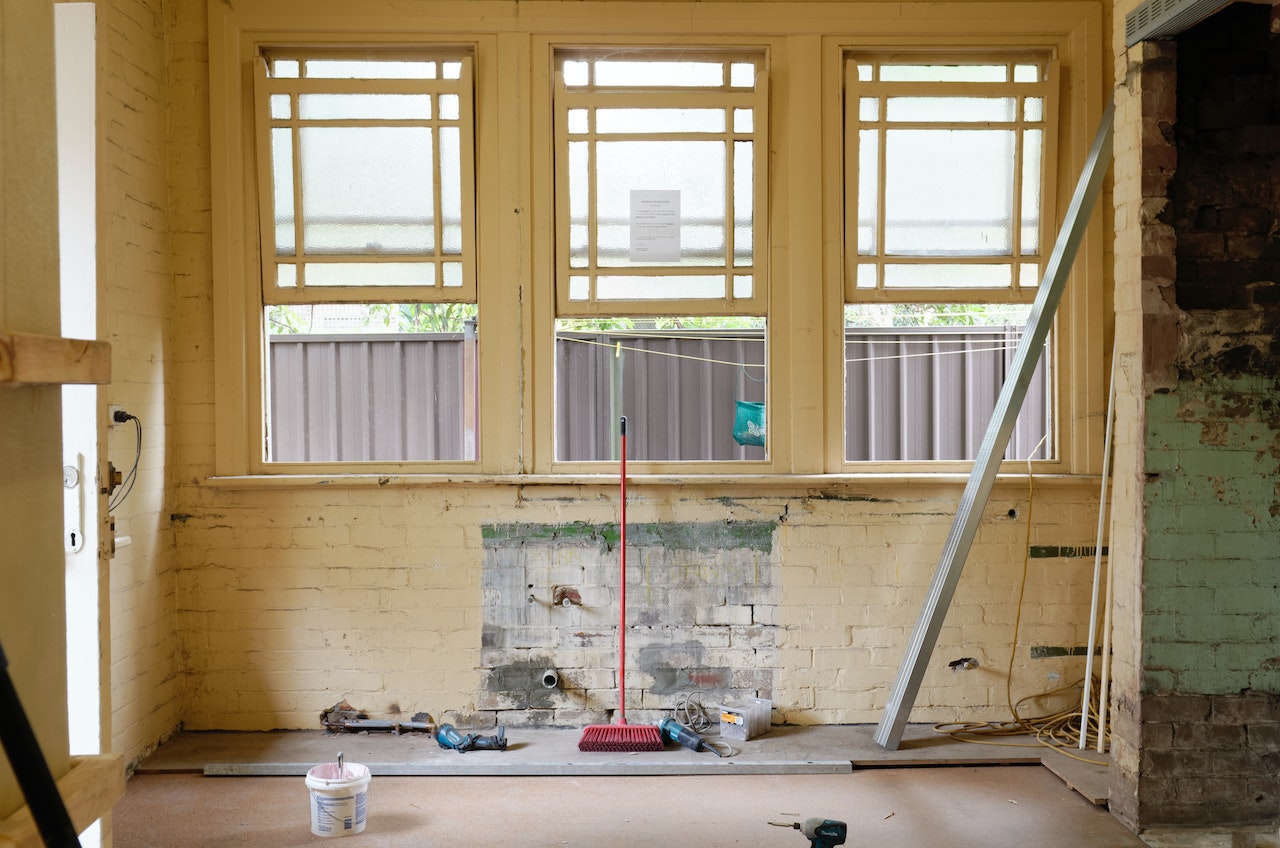
Understanding your target buyer is crucial when deciding whether to fix up your house before selling. Some buyers may see a "fixer-upper" as an opportunity to put their stamp on a property or to get a potential deal. Marketing your home to highlight its investment potential is key in these cases. Emphasize future opportunities for remodeling and renovations that can increase the property's value.
On the other hand, if your home requires extensive repairs that you are not willing or able to undertake, targeting investors may be a viable option. Properties needing significant work, such as kitchen or bathroom remodels, a new roof, or foundation repairs, are often attractive to investors. They may be more inclined to purchase the property as-is without requiring you to invest time and money into renovations.
2. Get an Honest Assessment
Seeking an honest assessment of your home's condition from a real estate agent is essential. Your agent's recommendations on repairs and updates can provide valuable insights into what must be done to make your home market-ready. While it may be difficult to hear criticism or suggestions for improvements, keeping an open mind and considering their expertise is essential. Remember, your agent shares your goal: to sell your home for the best possible price.
3. Realistic Pricing
Determining the right price for your home involves more than just subtracting the cost of repairs from its value. You must also factor in the "aggravation costs" of buying a home that needs work. Turnkey homes often sell at a premium because buyers do not have to invest additional time and effort into renovations. If your home requires sprucing up, you may need to incentivize buyers to consider purchasing it by adjusting the pricing accordingly.
To establish a realistic price range, your real estate agent should provide you with comparable properties in your area in varying conditions. Analyzing the pricing of similar homes will give you an idea of how much you might need to invest to achieve the desired sale price.
4. Choose Updates Wisely
While a significant kitchen renovation may not be feasible or provide the desired return on investment, you can make more minor updates to improve your home's overall appeal. Consider budget-friendly updates that can significantly impact, such as replacing outdated fixtures, painting cabinets, installing new hardware, or adding an eye-catching backsplash. Focus on areas that potential buyers pay close attention to, such as kitchens and bathrooms, as these can significantly influence their decision-making process.
5. Prioritize Necessary Repairs
Investors often seek properties with profit potential, even if they require cosmetic fixes. However, major repairs that are needed may deter both investors and traditional buyers looking for a deal. Prioritize necessary maintenance that can significantly impact the property's functionality, safety, or insurability. Buyers are likely to pay close attention to the age and condition of the roof, air conditioning and heating systems, water heater, electrical panel, and plumbing. Addressing these crucial components can make your home more appealing to potential buyers.
6. Enhance Curb Appeal
First impressions matter, so investing in curb appeal can significantly impact the sale of your home. Simple and cost-effective updates, such as landscaping, painting the front door, or replacing outdated hardware, can make a big difference. Create a welcoming and inviting entrance that entices potential buyers to explore the rest of the property. Remember, the exterior of your home is the first thing buyers see, so making it visually appealing is essential.
7. Stage Your Home
Staging your home can help potential buyers visualize themselves living in the space and increase its appeal. Consider decluttering and depersonalizing your home to create a neutral and inviting environment. Rearranging furniture, adding fresh flowers, and ensuring each room has a clear purpose can make your home more appealing to buyers. If you're unsure about staging, consult a professional who can guide you in showcasing your home's best features.
8. Market Strategically
When marketing a home that requires some work, it's essential to focus on its potential and highlight its value. Professional photography and compelling descriptions can help potential buyers see beyond the property's current condition. Emphasize the future possibilities and the return on investment that can be achieved through renovations. Target marketing efforts towards buyers specifically looking for fixer-uppers or investors seeking opportunities.
9. Evaluate Time and Financial Constraints
Consider your circumstances when deciding whether to fix your house before selling. If you're on a tight timeline or have financial constraints, investing in extensive repairs or updates may not be feasible. In such cases, targeting investors or pricing the home accordingly may be the best approach. However, having the time, resources, and desire to improve your home's condition can lead to a higher sale price and a faster sale.
10. Consult with a Real Estate Professional
Navigating the decision-making process of whether to fix up your house before selling can be overwhelming. Consulting with a knowledgeable, experienced real estate professional can provide valuable insights and guidance. They can assess your home's condition, analyze the local market, and help you determine the most effective strategies to maximize your home's sale potential. Their expertise can help you make an informed decision tailored to your circumstances.
In conclusion, whether to fix up your house before selling depends on various factors, including your target buyer, the condition of your home, the local market, and your circumstances. By considering these factors and seeking professional advice, you can make an informed decision that aligns with your goals and maximizes your home's sale potential. The ultimate aim is to achieve the best possible price and a smooth selling process.

Your Luxury REALTOR®, Trusted Advisor — Quintessential Naples Team at Downing-Frye Realty®Michael "Mike" Downer is the REALTOR® you want in your corner when buying or selling real es....
3 Bedrooms | 2 Bathrooms | More Than 2,000 Sq. Ft. | Fenced Backyard | Optional Boating AccessPresented by Michael Downer, Broker Associate | Downing-Frye Realty | Quintessential NaplesMore Space,
Newly Renovated | Impact Windows | New Appliances | Room for a Pool | No HOA | Golden Gate CityPresented by Michael Downer, Broker Associate | Downing-Frye Realty | Quintessential NaplesLess Fixing.
4 Bedrooms | 2 Bathrooms | Lakefront Pool Home | Reflection Lakes Presented by Mike Downer, Broker Associate | Downing-Frye Realty | Quintessential NaplesA Little More Time to Enjoy FloridaSome
2 Bedrooms | 2 Bathrooms | First-Floor Residence | Bonita SpringsPresented by Mike Downer, Broker Associate | Downing-Frye Realty | Quintessential NaplesA Simple Way to Enjoy Southwest
 All information regarding a property for sale, rental or financing, school information and public tax records is from sources deemed reliable; PROVIDED, HOWEVER, that representations and warranties are not made about the accuracy thereof, and such information is subject to errors, omissions, updates, modifications, changes of price, rent rates, commissions, prior sales, leases or financing, changes in school boundaries, or withdrawal without notice. All information displayed on this Website should
be independently verified if any person intends to engage in a transaction based upon such information.
Show More...
All information regarding a property for sale, rental or financing, school information and public tax records is from sources deemed reliable; PROVIDED, HOWEVER, that representations and warranties are not made about the accuracy thereof, and such information is subject to errors, omissions, updates, modifications, changes of price, rent rates, commissions, prior sales, leases or financing, changes in school boundaries, or withdrawal without notice. All information displayed on this Website should
be independently verified if any person intends to engage in a transaction based upon such information.
Show More...
 © 2026 Florida Gulf Coast MLS (FGCMLS) Information deemed reliable, but not guaranteed. The IDX data relating to real estate for sale on this web site comes in part from the Florida Gulf Coast Multiple Listing Service. The information being provided is for consumers' personal, non-commercial use and may not be used for any purpose other than to identify prospective properties consumers may be interested in purchasing. Information is deemed reliable but not guaranteed.
 This data is up-to-date as of September 25, 2026 6:55 PM UTC Some properties that appear for sale on this website may subsequently have sold and may no longer be available. For the most current information, contact Downing-Frye Realty.
The information provided is for consumers' personal, non-commercial use and may not be used for any other purpose. The data relating to real estate for sale on this website comes in part from the Broker Reciprocity Program (BR Program) of M.L.S. of Naples, Inc.,
Florida Gulf Coast MLS, Marco Multi-List, Inc., My Florida Regional MLS, or Miami Association of Realtors. Properties listed with brokerage firms other than Downing-Frye Realty are marked with the BR Program Icon or the BR House Icon and detailed information about them includes the name of the listing brokers. The properties displayed may not be all the properties available through the BR Program. The data provided by the Broker Reciprocity Program, and the Information is Deemed Reliable But Not Guaranteed. The source of the information about real property available for sale or rent is the copyrighted and proprietary database of the M.L.S. of Naples, Inc., Florida Gulf Coast MLS, Marco Multi-List, Inc., My Florida Regional MLS, or Miami Association of Realtors. Copyright 2026 M.L.S. of Naples, Inc., Florida Gulf Coast MLS, Marco Multi-List, Inc., My Florida Regional MLS, Miami Association of Realtors.; all rights reserved.
Show More...
This data is up-to-date as of September 25, 2026 6:55 PM UTC Some properties that appear for sale on this website may subsequently have sold and may no longer be available. For the most current information, contact Downing-Frye Realty.
The information provided is for consumers' personal, non-commercial use and may not be used for any other purpose. The data relating to real estate for sale on this website comes in part from the Broker Reciprocity Program (BR Program) of M.L.S. of Naples, Inc.,
Florida Gulf Coast MLS, Marco Multi-List, Inc., My Florida Regional MLS, or Miami Association of Realtors. Properties listed with brokerage firms other than Downing-Frye Realty are marked with the BR Program Icon or the BR House Icon and detailed information about them includes the name of the listing brokers. The properties displayed may not be all the properties available through the BR Program. The data provided by the Broker Reciprocity Program, and the Information is Deemed Reliable But Not Guaranteed. The source of the information about real property available for sale or rent is the copyrighted and proprietary database of the M.L.S. of Naples, Inc., Florida Gulf Coast MLS, Marco Multi-List, Inc., My Florida Regional MLS, or Miami Association of Realtors. Copyright 2026 M.L.S. of Naples, Inc., Florida Gulf Coast MLS, Marco Multi-List, Inc., My Florida Regional MLS, Miami Association of Realtors.; all rights reserved.
Show More...
