3 Bedrooms | 2 Bathrooms | More Than 2,000 Sq. Ft. | Fenced Backyard | Optional Boating AccessPresented by Michael Downer, Broker Associate | Downing-Frye Realty | Quintessential NaplesMore Space,

Dated: April 28 2026
Views: 298
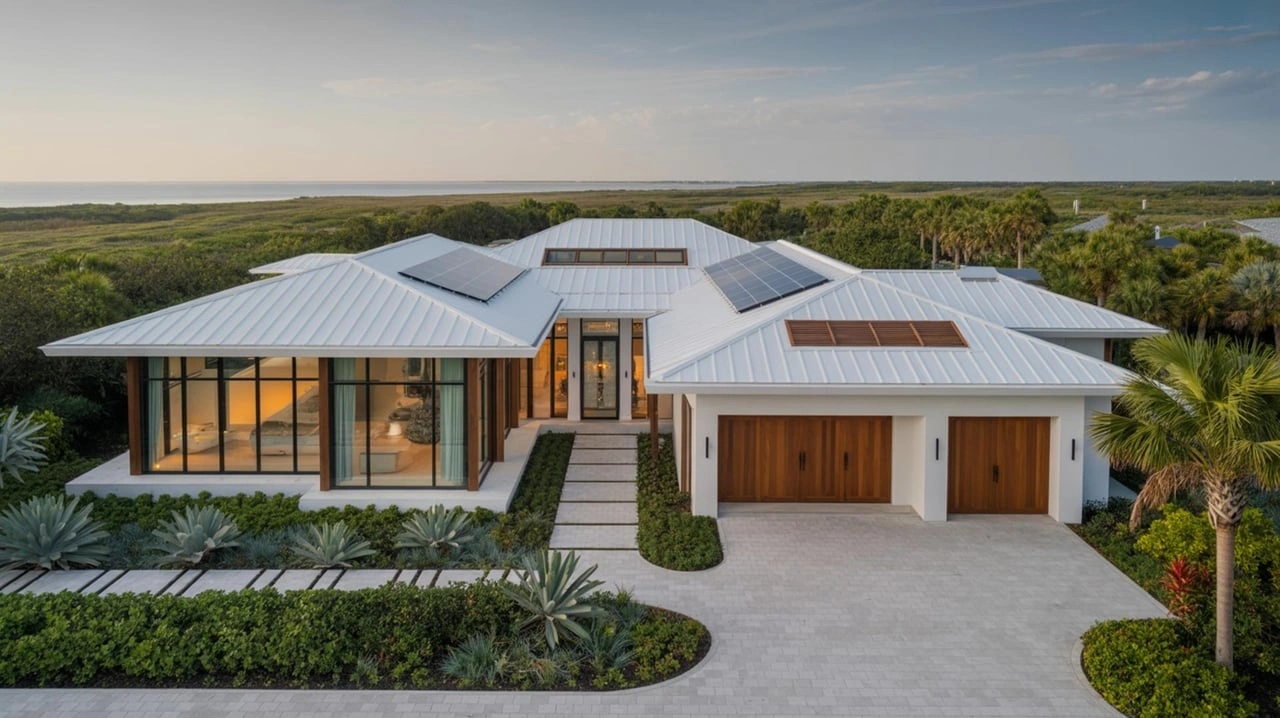
Key Takeaways
Sustainable architecture in Naples is rapidly becoming the standard, with these essential insights for homeowners and builders planning green construction in 2026:
• 40% of new Naples constructions are now eco-friendly, with green homes appreciating 195% over the past decade, proving sustainability drives both environmental and financial returns.
• LEED-certified homes use 20-30% less energy than conventional builds, while Energy Star homes can cut utility bills by 25-50% through smart systems and high-performance materials.
• Local materials like cypress wood and coral stone offer superior durability in Naples' humid climate while reducing transportation emissions and supporting regional businesses.
• Smart home automation systems reduce energy consumption by up to 16% through AI-powered coordination of HVAC, lighting, and renewable energy systems with real-time optimization.
• Water conservation technologies save up to 30,000 gallons annually through drip irrigation and smart controllers, essential for Naples' climate adaptation planning.
The convergence of climate resilience, market demand, and technological innovation makes 2026 the ideal time to invest in sustainable architecture. With proper certifications and expert guidance, green building practices deliver immediate cost savings while future-proofing properties against rising seas and extreme weather events.
Sustainable architecture in Naples is experiencing a remarkable transformation, with 40% of new constructions now eco-friendly. This move reflects a broader commitment to environmental responsibility that's reshaping how we build and live. Homeowners are seeking Naples architecture firms that specialize in green design more than ever, while sustainable architecture organizations like the Florida Green Building Coalition are setting new standards for the region. Recent data shows that investments in building efficiency have reached $250 billion, highlighting the sector's significant growth. Understanding these trends is essential if you're searching for sustainable architecture near me or working with sustainable architecture architects. In this piece, we'll walk you through the key materials, certifications, and state-of-the-art developments defining sustainable Naples in 2026.
Understanding Sustainable Architecture in Naples
What Makes Architecture Sustainable
Buildings shape our environmental footprint more than most people realize. The UN Environment Program reports that building and construction consume 32% of global energy and contribute 34% of global CO2 emissions. Sustainable architecture in Naples addresses this through an integrated philosophy that balances three core aspects: people, profit, and planet. The approach creates healthier environments and minimizes long-term financial and environmental costs.
The framework rests on straightforward principles: use less energy, waste less water, and reduce the use of harmful chemicals. These strategies extend building lifespans and lower resource consumption from day one. Energy efficiency alone can cut utility bills by 25% to 50% through smart lighting systems and high-performance appliances. Sustainable materials offer durability and strength without toxic chemicals. Clay bricks, granite slabs, bamboo flooring, and recycled plastic lumber are good examples.
Why Naples is Embracing Green Building
Climate change is reshaping our coastal community in measurable ways. The City received a $387,255 grant from the Florida Department of Environmental Protection to update our Climate Vulnerability Assessment. The assessment focuses on sea level rise scenarios and compound flooding from rainfall combined with rising seas. Naples is now developing a Climate Adaptation Plan to reduce greenhouse gas emissions and prepare infrastructure for increased storm surge and extreme heat events.
Market forces are just as compelling. Eco-conscious buyers now view environmental responsibility as part of luxury rather than an add-on feature. Energy Star-certified luxury homes in Naples are 10% more energy-efficient than standard homes. Naples' eco-friendly homes have appreciated 195.16% over the last decade.
Key Principles of Eco-Friendly Design
Water conservation strategies have become critical in our subtropical climate. Smart irrigation systems adjust to weather patterns. Greywater recycling and rainwater harvesting reduce strain on local water resources. Low-flow fixtures minimize consumption without sacrificing performance. These water-conserving technologies work with advanced insulation materials and renewable energy sources to create resource-conscious spaces.
Material selection plays just as vital a role. Locally sourced materials reduce carbon footprints from transportation and support regional businesses. Bamboo, reclaimed wood, and recycled metal offer durability with minimal environmental effect.
The Role of Climate in Sustainable Architecture
Naples' hot-humid climate presents unique challenges that green building practices address head-on. High moisture levels increase the risks of mold growth and structural damage. Passive cooling techniques reduce reliance on mechanical cooling systems. Natural ventilation and cross-ventilation are two examples. Elevated foundations reduce flooding risks and improve air circulation, helping prevent mold and mildew.
Impact-resistant windows withstanding 120-150 mph winds provide both hurricane protection and environmental benefits. Concrete block construction in exterior walls helps prevent water damage and mold growth in our humid conditions.
Top Sustainable Materials for Naples Homes in 2026
Locally Sourced Natural Stone and Coral
Natural stone offers durability with minimal environmental impact when sourced regionally. Coral stone formed from marine fossils during the Pleistocene period and stands out for its exceptional thermal properties. You can walk barefoot on coral stone without burning even under intense sun, which makes it perfect for pool decks and outdoor spaces. The porous varieties allow rustic, polished, or aged finishes while maintaining structural integrity. Quarries outside the sea provide the mining sites and avoid damage to living coral reefs.
Cypress and Native Wood Options
Cypress wood generates a natural preservative oil called Cypressene. This makes it resistant to rot, decay, and insect damage. This native species runs on Naples' humid climate without chemical treatments. Cypress trees regenerate from the parent root system when harvested, unlike pines. They sprout multiple new trees that grow faster than traditional seedlings. The wood's tight growth rings create density that minimizes settling and twisting in construction.
Recycled and Composite Materials
MIT engineers have developed 3D-printed construction beams from recycled plastic bottles that hold over 4,000 pounds while weighing just 13 pounds each. These trusses print in under 13 minutes and could address global housing needs without clear-cutting forests. Recycled plastic lumber is used for non-structural applications such as decking and fencing. It offers waterproof and pest-resistant alternatives.
Energy-Efficient Glass and Insulation
Windows with low-emissivity coatings cost 10% to 15% more than standard windows but reduce energy loss by 30% to 50%. Argon gas fills the gap between panes to improve thermal performance in typical half-inch gaps. Cellulose insulation contains 82% to 85% recycled material content. Fiberglass uses 40% to 60% recycled glass.
Low-VOC Paints and Finishes
Low-VOC paints contain fewer than 50 grams of volatile organic compounds per liter, compared to 380 grams in traditional formulas. These formulations reduce airborne toxins by 85% and eliminate headaches and respiratory discomfort during application. Color integrity lasts 12 to 15 years, compared with 8 to 10 years for standard paints.
Green Building Certifications and Standards
LEED Certification in Naples
Leadership in Energy and Environmental Design certification offers four achievement levels based on points earned. LEED v4 projects earning 40-49 points receive Certified status, 50-59 points earn Silver, 60-79 points achieve Gold, and 80+ points reach Platinum. LEED-certified homes use 20% to 30% less energy than conventional builds. Some achieve 60% savings. The first LEED Platinum home in Florida, a 1,371-square-foot residence in Callaway, demonstrates how sustainable architecture in Naples achieves top-tier performance.
Florida Green Building Coalition Programs
Florida's largest green certification program has operated since 2000 with state-approved, Florida-specific criteria. High-rise projects require fees ranging from $5,000 to $12,000 based on building size. The tiered system awards Bronze (0-30 points over minimum), Silver (31-60), Gold (61-90), and Platinum (91+) designations. Projects must achieve 100 base points across energy performance, water conservation, site conditions, healthier home environments, and materials selection.
Energy Star Requirements
Florida mandates Version 3.2 for homes permitted on or after January 1, 2025. Builders earn tax credits up to $2,500 for ENERGY STAR certified homes. Zero Energy Ready Homes (ZERH) perform 40% to 50% more efficiently than code-compliant construction. Single-family ZERH projects qualify for $5,000 in federal tax credits, while multifamily units qualify for $1,000.
Net-Zero Energy Building Standards
The Department of Energy defines zero-energy buildings as structures where the annual delivered energy equals or falls below the on-site renewable energy exported. Residential Zero Code appendices require an Energy Rating Index score of zero. More than 10,000 homes achieved ZERH certification as of January 31, 2023.
Smart Technology and Design Innovations
Integrated Home Automation Systems
Smart home technology has matured beyond convenience into a sustainability lifeblood. The home automation market reached USD 104.58 billion in 2025 and is projected to reach USD 190.09 billion by 2030. We're seeing integrated systems reduce energy consumption by up to 16% through coordinated control of HVAC, lighting, and outlets based on occupancy. AI-powered platforms analyze conditions and adjust lighting, heating, and blinds based on weather and time of day.
Solar Panels and Renewable Energy
Solar installations prioritize resilience over rebate chasing in 2026. Modern systems combine modular battery storage, smart inverters, and AI energy monitoring. Net metering programs allow us to sell excess electricity back to utilities and accelerate investment payback.
Biophilic Design Elements
Biophilic design organizes into three categories: Nature in the Space, Natural Analogs, and Nature of the Space. Properties featuring water views command 58% price premiums, while lakefront locations see 127% increases.
Water Conservation Technologies
WaterSense-labeled irrigation controllers save water, time, and money. Drip systems use 20% to 50% less water than conventional sprinklers and save up to 30,000 gallons annually. 1 inch of rainfall generates 700 gallons of runoff on a 1,200-square-foot roof.
Indoor Air Quality Solutions
HVAC systems with high-efficiency filters remove 99.97% of airborne pollutants. Smart systems equipped with IoT sensors adjust airflow and filtration based on immediate quality data.
Modular and Adaptive Construction Methods
Eighty-six percent of architects, contractors, and developers report that modular construction significantly reduces waste. The construction industry expects major increases in modular and prefabrication solutions throughout 2026.
Conclusion
Sustainable architecture in Naples has evolved from a niche concept to mainstream practice. The data speaks for itself: green buildings deliver measurable returns through lower energy costs and higher property values. They also show exceptional resilience against the challenges posed by our coastal climate.
You're planning a new construction or renovation. Work with sustainable architecture architects, and you'll benefit from proven materials and smart technologies. These investments protect your financial future and our community's environmental health for generations to come.
Real estate should feel confident, not complicated.
Through clear communication and structured guidance, the Quintessential Naples Team at Downing-Frye Realty simplifies complex transactions without sacrificing precision or professionalism.
#QuintessentialNaples
#Downing-FryeRealty
#NaplesRealEstate
#NaplesLuxury
#NaplesLuxuryRealEstate
#LuxuryHomesInNaples
#TrustedRealEstateAdvisor
#GenerationalWealth
#LuxuryLifestyle
#SouthwestFloridaRealEstate
FAQs
Q1. What are the emerging sustainable architecture trends in 2026? In 2026, sustainable architecture is focusing on net-zero energy buildings that generate as much energy as they consume, setting new benchmarks for environmental performance. Green roofs and walls are becoming increasingly common in urban areas, improving air quality while reducing energy consumption. Additionally, there's a shift toward warm, natural materials and biophilic design elements that create healthier, more inviting living spaces.
Q2. What makes a building truly sustainable? Sustainable buildings balance three core aspects: people, profit, and planet. They consume significantly less energy and water while reducing the use of harmful chemicals. Key features include energy-efficient systems that can cut utility bills by 25-50%, durable materials that avoid toxic chemicals, such as bamboo and recycled composites, and designs that extend building lifespans while minimizing environmental impact throughout their lifecycles.
Q3. Will sustainable architecture become the standard for future construction? Yes, sustainable architecture is rapidly becoming mainstream rather than a niche practice. With 40% of new constructions now incorporating eco-friendly features and investments in building efficiency reaching $250 billion, green building is establishing itself as the industry standard. The combination of environmental benefits, cost savings, and higher property values is driving widespread adoption across residential and commercial sectors.
Q4. How do green building certifications benefit homeowners? Green building certifications, such as LEED and the Florida Green Building Coalition programs, provide measurable benefits. LEED-certified homes use 20-30% less energy than conventional builds, with some achieving 60% savings. Energy Star-certified homes can earn builders tax credits of up to $2,500, while Zero Energy Ready Homes qualify for a $5,000 federal tax credit. These certifications also increase property values and ensure homes meet rigorous performance standards.
Q5. What role does smart technology play in sustainable homes? Smart home automation systems have become essential for sustainability, with integrated platforms reducing energy consumption by up to 16% through coordinated control of HVAC, lighting, and other systems. AI-powered technology analyzes real-time conditions to automatically adjust settings based on occupancy, weather, and time of day. Combined with solar panels, battery storage, and IoT sensors for air quality monitoring, these systems optimize resource use while enhancing comfort and convenience.

Your Luxury REALTOR®, Trusted Advisor — Quintessential Naples Team at Downing-Frye Realty®Michael "Mike" Downer is the REALTOR® you want in your corner when buying or selling real es....
3 Bedrooms | 2 Bathrooms | More Than 2,000 Sq. Ft. | Fenced Backyard | Optional Boating AccessPresented by Michael Downer, Broker Associate | Downing-Frye Realty | Quintessential NaplesMore Space,
Newly Renovated | Impact Windows | New Appliances | Room for a Pool | No HOA | Golden Gate CityPresented by Michael Downer, Broker Associate | Downing-Frye Realty | Quintessential NaplesLess Fixing.
4 Bedrooms | 2 Bathrooms | Lakefront Pool Home | Reflection Lakes Presented by Mike Downer, Broker Associate | Downing-Frye Realty | Quintessential NaplesA Little More Time to Enjoy FloridaSome
2 Bedrooms | 2 Bathrooms | First-Floor Residence | Bonita SpringsPresented by Mike Downer, Broker Associate | Downing-Frye Realty | Quintessential NaplesA Simple Way to Enjoy Southwest
 All information regarding a property for sale, rental or financing, school information and public tax records is from sources deemed reliable; PROVIDED, HOWEVER, that representations and warranties are not made about the accuracy thereof, and such information is subject to errors, omissions, updates, modifications, changes of price, rent rates, commissions, prior sales, leases or financing, changes in school boundaries, or withdrawal without notice. All information displayed on this Website should
be independently verified if any person intends to engage in a transaction based upon such information.
Show More...
All information regarding a property for sale, rental or financing, school information and public tax records is from sources deemed reliable; PROVIDED, HOWEVER, that representations and warranties are not made about the accuracy thereof, and such information is subject to errors, omissions, updates, modifications, changes of price, rent rates, commissions, prior sales, leases or financing, changes in school boundaries, or withdrawal without notice. All information displayed on this Website should
be independently verified if any person intends to engage in a transaction based upon such information.
Show More...
 © 2026 Florida Gulf Coast MLS (FGCMLS) Information deemed reliable, but not guaranteed. The IDX data relating to real estate for sale on this web site comes in part from the Florida Gulf Coast Multiple Listing Service. The information being provided is for consumers' personal, non-commercial use and may not be used for any purpose other than to identify prospective properties consumers may be interested in purchasing. Information is deemed reliable but not guaranteed.
 This data is up-to-date as of September 25, 2026 6:55 PM UTC Some properties that appear for sale on this website may subsequently have sold and may no longer be available. For the most current information, contact Downing-Frye Realty.
The information provided is for consumers' personal, non-commercial use and may not be used for any other purpose. The data relating to real estate for sale on this website comes in part from the Broker Reciprocity Program (BR Program) of M.L.S. of Naples, Inc.,
Florida Gulf Coast MLS, Marco Multi-List, Inc., My Florida Regional MLS, or Miami Association of Realtors. Properties listed with brokerage firms other than Downing-Frye Realty are marked with the BR Program Icon or the BR House Icon and detailed information about them includes the name of the listing brokers. The properties displayed may not be all the properties available through the BR Program. The data provided by the Broker Reciprocity Program, and the Information is Deemed Reliable But Not Guaranteed. The source of the information about real property available for sale or rent is the copyrighted and proprietary database of the M.L.S. of Naples, Inc., Florida Gulf Coast MLS, Marco Multi-List, Inc., My Florida Regional MLS, or Miami Association of Realtors. Copyright 2026 M.L.S. of Naples, Inc., Florida Gulf Coast MLS, Marco Multi-List, Inc., My Florida Regional MLS, Miami Association of Realtors.; all rights reserved.
Show More...
This data is up-to-date as of September 25, 2026 6:55 PM UTC Some properties that appear for sale on this website may subsequently have sold and may no longer be available. For the most current information, contact Downing-Frye Realty.
The information provided is for consumers' personal, non-commercial use and may not be used for any other purpose. The data relating to real estate for sale on this website comes in part from the Broker Reciprocity Program (BR Program) of M.L.S. of Naples, Inc.,
Florida Gulf Coast MLS, Marco Multi-List, Inc., My Florida Regional MLS, or Miami Association of Realtors. Properties listed with brokerage firms other than Downing-Frye Realty are marked with the BR Program Icon or the BR House Icon and detailed information about them includes the name of the listing brokers. The properties displayed may not be all the properties available through the BR Program. The data provided by the Broker Reciprocity Program, and the Information is Deemed Reliable But Not Guaranteed. The source of the information about real property available for sale or rent is the copyrighted and proprietary database of the M.L.S. of Naples, Inc., Florida Gulf Coast MLS, Marco Multi-List, Inc., My Florida Regional MLS, or Miami Association of Realtors. Copyright 2026 M.L.S. of Naples, Inc., Florida Gulf Coast MLS, Marco Multi-List, Inc., My Florida Regional MLS, Miami Association of Realtors.; all rights reserved.
Show More...
