3 Bedrooms | 2 Bathrooms | More Than 2,000 Sq. Ft. | Fenced Backyard | Optional Boating AccessPresented by Michael Downer, Broker Associate | Downing-Frye Realty | Quintessential NaplesMore Space,

Dated: July 30 2025
Views: 366
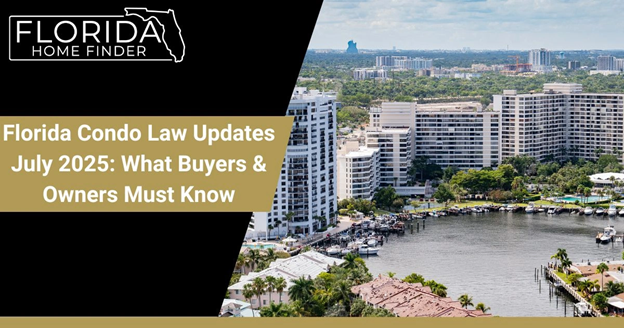
Condo inspections usually cost between $200 and $500. This seems like a bargain compared to full home inspections. You might feel tempted to celebrate the savings, but I found that there's a reason for this difference—and it should concern any Naples condo buyer.
The items missing from your condo inspection report can be more expensive than the inspection itself. Florida requires milestone inspections for buildings taller than three stories at 30 years (or 25 years if within 3 miles of the coast). These regulations do address many immediate concerns that buyers face. Your investment faces risks beyond the simple condo inspection checklist from critical elements outside your unit. Monthly assessments from many condo associations have increased significantly, and average HOA fees now range from $150 to $300 per month. A standard condo inspection typically overlooks these financial realities within its brief duration.
During a detailed condo inspection, we focused on the interior aspects of your unit; however, several significant areas remain unaddressed. Your unit's inspection typically takes 2-3 hours, depending on its size. You need to know what's included—and what's not—to make an informed decision about your purchase.
The inspection report documents the vital systems of your unit. Inspectors assess sinks, tubs, showers, toilets, and the availability of pipes. They spot leaks, water pressure problems, and drainage issues. The report also flags outdated pipes, such as polybutylene plastic, cast iron, or galvanized piping, which often leak and fail.
For electrical systems, inspectors look at outlets, switches, light fixtures, and your circuit breaker panel. They identify fire hazards, faulty wiring, and verify GFCI protection in kitchens and bathrooms. Common problems include circuit breakers with double branch wires instead of single ones, and old panels that can catch fire.
Your HVAC system gets tested for performance, airflow, and condition. Inspectors examine both inside and outside components, where possible. They check the flame color in gas systems because non-blue flames may indicate poor fuel mixing or a cracked heat exchanger.
The report covers all appliances that come with your condo. Inspectors test built-in appliances, such as ovens, dishwashers, and refrigerators. Kitchen and bathroom fixtures are checked for their functionality and any signs of wear.
The inspector's job includes checking bathroom and kitchen caulking and grout that may allow water damage to occur. They also do a simple visual check of laundry connections.
Condos have fewer structural issues than houses, but inspectors still watch for warning signs. They spot cracks, water stains, or signs of shifting on interior walls, ceilings, and floors. Normal expansion and contraction often cause vertical and horizontal cracks.
More concerning are "stair-stepped" cracks that resemble a staircase, or structural cracks extending from the ceiling to door and window corners. Cracks wider than 1/4 inch usually need a structural engineer's review.
Safety features get special attention during inspection. Inspectors ensure that smoke and carbon monoxide detectors are functioning properly and are placed in the correct locations. They test railing stability and look for trip hazards from uneven floors.
The report notes all safety concerns, including minor issues such as missing handrails and loose steps. This helps you identify and address dangerous conditions before anyone gets hurt.
Notwithstanding that, standard condo inspections only cover what's inside your unit. They don't include shared spaces like the roof, exterior walls, elevators, hallways, pools, landscaping, and parking lots—things that could have a significant impact on your living experience and future costs.
Standard condo inspections miss many critical issues that could cost you thousands later, even after spending 2-3 hours in your unit. Inspectors face numerous limitations to what they can discover.
Your inspection report won't address one of the biggest complaints condo owners have: noise between units. Sound easily travels through shared walls, especially in older buildings without modern soundproofing. Industry experts say that poorly insulated wall spaces act like "echo chambers," increasing noise between units instead of reducing it. Residents often hear their neighbors' conversations, TVs, cell phones, and alarm clocks through what should be private walls.
The real problem is that you won't know about soundproofing issues until you move in. At that point, fixing it becomes tough and expensive. You might need to add isolation systems, mass-loaded vinyl, or use acoustic caulk around the edges.
Regular condo inspections often cannot detect moisture or mold that hides behind walls, under floors, or in ceiling spaces. Water damage occurs slowly over time, often without noticeable signs, until it reaches a point of major damage. Recent industry data show that electrical systems ranked as the third major cause of house fires from 2014 to 2018, causing the most direct property damage.
Mold growth in wall spaces where leaking pipes or roof problems create constant moisture should be a concern. This hidden mold releases spores throughout your condo. It worsens indoor air quality and can cause health problems, including breathing issues, asthma attacks, and allergic reactions. Most inspectors don't have specialized tools, such as infrared cameras or moisture meters, that can detect these hidden issues.
Dangerous electrical parts that manufacturers have recalled or deemed unsafe may slip through even the most detailed inspections. Federal Pacific panels, Zinsco panels, and aluminum wiring from the 1960s and 1970s pose significant fire risks but often remain undetected. These outdated systems usually fail to trip when they should during power surges, creating considerable fire hazards.
Insurance companies now take these issues seriously. Some won't renew policies until you upgrade electrical systems. Many condos lack modern safety features, such as GFCI/AFCI protection in kitchens, bathrooms, and bedrooms, which the current code requires.
Your inspection report probably won't reveal poor repairs that are hidden behind walls or under surfaces. Construction experts say that visible defects often indicate more serious problems beneath the surface. A crack in concrete may indicate poor structural support, low-quality materials, or improper expansion joints.
These hidden defects often remain unknown for years after developers hand over control to associations. Poor repairs, whether by previous owners or contractors without proper supervision, can create future problems that require extensive fixes.
A small issue might signal problems throughout the building. Regular inspections can't find these issues without breaking into walls or using specialized equipment. Yet these hidden problems can seriously affect your investment and safety.
A Naples condo purchase gives you ownership beyond your unit's walls. Many buyers focus solely on their private space and overlook vital shared components that could become expensive later. Your standard condo inspection rarely extends beyond your unit's boundaries, leaving you vulnerable to hidden costs.
Common areas include shared financial responsibilities that can impact your wallet. Cracked pool decking, outdated fitness equipment, and shabby lobbies reveal more than just appearance—they indicate how the association handles maintenance.
These small problems often signal bigger financial troubles ahead. Associations that put off regular maintenance create a snowball effect of rising repair costs. To cite an instance, see untreated concrete spalling (where concrete cracks and flakes). It may start small, but it can weaken the structure's integrity, leading to major repairs that cost tens of thousands of dollars per unit.
Dying landscapes, deteriorating parking lots, and outdated security systems point to special assessments in your future. These elements are usually excluded from your condo inspection checklist.
Your condo inspection report omits vital building components that impact your unit. The inspector won't check:
· Roof conditions (age, material, previous repairs)
· Building envelope integrity
· Exterior waterproofing
· Balcony structural stability
· Window/door seals in neighboring units
This becomes a significant issue in Florida, where coastal conditions accelerate wear and tear. Florida's condo inspection rules now require structural checks every 30 years (25 years if within 3 miles of the coastline). Many buildings haven't done these checks despite legal requirements.
Note that water from an aging roof or poorly sealed exterior walls will likely find its way into your unit, regardless of the interior's appearance during inspection.
The elevator's maintenance affects both safety and finances more than most buyers realize. A standard condo inspection takes 2-3 hours, but skips elevator maintenance records and mechanical systems.
Older elevators may require modernization, costing $100,000 to $250,000 each. Poor maintenance of emergency systems, dim lighting, and worn-down hallways create safety hazards and financial risks that your inspection report may not reveal.
Fire suppression systems, emergency lighting, and building code compliance in common areas stay hidden during your unit inspection. These directly affect your safety and property value. Even well-maintained systems require updates to meet new building codes—costs that become your responsibility as an owner.
Before you close the deal, ask for more than just your condo inspection report. Get recent engineering evaluations, planned improvements, and maintenance schedules for shared components that shape your investment's long-term value.
Your condo inspection report highlights physical conditions but overlooks crucial financial issues that remain hidden. These financial dangers can turn your dream home into a budget nightmare without warning.
The biggest problem arises from HOA reserve funds that no inspection will reveal. These funds work like savings accounts for future repairs and replacements. Fannie Mae and Freddie Mac now require healthy reserves of at least 10% of the association's annual income when evaluating mortgages.
Low reserve funds typically create two challenging situations: your monthly dues increase, or you are hit with unexpected special assessments. Yes, it is common for lenders to blacklist communities with reserve contributions below 10%. Many buyers have discovered this the hard way, as lenders have rejected their mortgage applications due to low HOA reserves.
Special assessments are one-time fees in addition to regular dues, which associations may incur when unexpected expenses arise. Florida real estate contracts require sellers to disclose both pending and levied special assessments.
The rules state that "pending" means assessments proposed within 12 months prior to the contract date but not yet approved. "Levied" means they're approved and legally binding. Naples buyers often get shocked by huge special assessments right after closing because they didn't read the meeting minutes or understand these differences.
Many condo buildings put off maintenance and pile up repair backlogs without saving enough money. Your inspection report won't tell you that communities often delay critical fixes, which creates bigger, more expensive problems later.
Some Miami residents faced special assessments of $140,000 per unit. Daytona Beach owners paid $50,000 to $60,000 for concrete repairs. These financial bombs don't appear in inspection reports, but they can push owners toward foreclosure.
New Florida laws have altered the map for condo owners. Starting January 1, 2025, associations must save fully for structural parts based on professional reserve studies. Owners can't vote to skip these reserves anymore.
Buildings over three stories need Structural Integrity Reserve Studies (SIRS) every 10 years. Associations must keep inspection reports for 15 years and post them online. These rules have pushed dues up by 30-60% in older coastal buildings. Your standard condo inspection checklist won't show these financial effects.
You need to protect your investment beyond what standard condo inspectors typically provide. My experience with Naples condos has helped me identify several key strategies to detect hidden problems that could become costly down the road.
The best way to see what's really happening is to ask for a year's worth of HOA meeting minutes. Send your request through certified mail with a return receipt. These minutes reveal discussions about exterior issues, maintenance concerns, and upcoming expenses that you won't find in inspection reports.
These documents should show important details about:
· Pending litigation (potential red flag for future liabilities)
· Recent repairs and their costs
· Ongoing maintenance concerns
Please ensure you obtain the most recent reserve study along with these minutes. This vital document shows your community's recommended financial reserves—a healthy community should maintain at least 70% of the recommended amount.
Specialized inspections are worth every penny you'll spend. You should bring in experts to:
· Test for mold, especially when you have musty odors
· Check shared waste lines with plumbing specialists
· Audit electrical systems in older buildings with outdated components
These focused inspections often uncover problems that standard inspectors miss, ranging from foundation stability concerns to heating systems that don't function properly.
Standard condo inspections typically take 2-3 hours, but a comprehensive inspection requires more time. Your inspector should check:
· All available electrical outlets and plumbing fixtures
· Every appliance included in the purchase
· Signs of water intrusion around windows and doors
· HVAC systems through functional testing
Note that standard inspections only cover your unit, not shared elements that might need expensive repairs later.
Buying a Naples condo requires more vigilance than simply relying on a standard inspection report. Simple inspections provide valuable details about the interior condition of your unit. These brief 2-3 hour inspections often miss major problems, such as hidden issues behind walls, outdated electrical systems, and poor soundproofing.
Additionally, everything outside your unit affects both your lifestyle and your wallet. The shared components—ranging from roof conditions to elevator maintenance—often conceal the most expensive surprises. Standard inspections completely ignore these critical areas.
Financial warning signs pose the biggest risks. No inspection report reveals underfunded reserves, upcoming special assessments, or neglected maintenance that can explode into costly problems later. Recent Florida laws have definitely improved safety standards. These changes have also substantially increased financial obligations for condo owners throughout the state.
Smart buyers need a detailed strategy. They should get HOA meeting minutes, study reserve reports, and schedule specialized inspections before closing the deal. This homework might seem like overkill, but the alternative could mean unexpected five-figure special assessments or structural issues discovered too late.
Standard condo inspections cost less than full home inspections. This price difference suggests a limited scope rather than genuine savings. Your dream waterfront condo needs the same full evaluation as any major investment. A complete picture - both what's in the inspection report and what's missing - helps you make smart decisions about your Naples condo purchase.
Standard condo inspections reveal only a fraction of the potential issues that could impact your investment and living experience in Naples.
• Standard condo inspections only cover your unit's interior, missing critical shared components like roofs, elevators, and common areas that directly affect your costs.
• Hidden problems like mold behind walls, outdated electrical systems, and soundproofing issues remain undetectable during typical 2-3 hour inspections.
• Financial red flags, including low HOA reserves, pending special assessments, and deferred maintenance, aren't captured in inspection reports but can cost tens of thousands.
• Florida's new condo laws require fully funded reserves and structural inspections, causing 30-60% dues increases in older coastal buildings.
• Request HOA meeting minutes, reserve studies, and hire specialized inspectors for mold, electrical, and plumbing issues to uncover what standard reports miss.
• Recent legislation mandates milestone inspections at 30 years (25 near coast), but many associations haven't completed required evaluations despite legal requirements.
The gap between what's inspected and what actually affects your condo ownership can be financially devastating. Going beyond the standard checklist through document review and specialized inspections is essential for protecting your investment in Naples' competitive condo market.
Experience the best in Naples, Florida, real estate with the Quintessential Naples Team at Coldwell Banker Realty. Our team's deep expertise and local market knowledge ensure you maximize the value of your real estate transaction. Whether you're buying, selling, or investing, our personalized service and strategic approach align with your unique real estate goals. Trust us to identify lucrative opportunities and negotiate the best deals, delivering exceptional results that exceed your expectations. Contact Quintessential Naples Real Estate at 239-722-6453 to begin your next luxury property sale or purchase. #generationalwealth #NaplesLuxury #QuintessentialNaples #ColdwellBanker #NaplesRealEstate #Naplesluxuryrealestate #luxuryhomesinNaples #highendpropertiesinNaples #luxuryrealestatemarketinNaples #buyingluxuryhomesinNaples #sellingluxuryhomesinNaples
Q1. What are some hidden issues that a standard condo inspection might miss? Standard condo inspections often overlook problems like shared wall soundproofing issues, hidden mold or moisture in inaccessible areas, outdated electrical components, and improper past repairs concealed behind finishes. These issues can lead to significant expenses and safety concerns down the line.
Q2. How do common areas affect condo owners financially? Common areas, though not part of your unit, can have a substantial financial impact. Neglected maintenance in shared spaces, such as pools, lobbies, and landscaping, often leads to costly repairs or special assessments. Additionally, the condition of these areas can affect your property value and overall living experience.
Q3. What financial red flags should potential condo buyers look out for? Key financial red flags include low HOA reserve funds, pending special assessments, and unfunded future repairs. These issues are typically not covered in standard inspection reports but can lead to unexpected and significant expenses for condo owners.
Q4. How have recent Florida condo laws impacted owners financially? Recent Florida legislation requires associations to fully fund reserves for structural components and conduct regular structural integrity studies for buildings that are three stories or higher. This has led to substantial increases in condo dues, often ranging from 30% to 60% in older coastal buildings.
Q5. What additional steps can buyers take to evaluate a condo purchase thoroughly? To go beyond a standard inspection, buyers should request and review HOA meeting minutes and reserve studies. Additionally, hiring specialists for targeted inspections of mold, radon, or sewer lines can reveal issues that standard inspectors might miss. Understanding the scope and limitations of condo inspections is crucial for making an informed purchase decision.

Your Luxury REALTOR®, Trusted Advisor — Quintessential Naples Team at Downing-Frye Realty®Michael "Mike" Downer is the REALTOR® you want in your corner when buying or selling real es....
3 Bedrooms | 2 Bathrooms | More Than 2,000 Sq. Ft. | Fenced Backyard | Optional Boating AccessPresented by Michael Downer, Broker Associate | Downing-Frye Realty | Quintessential NaplesMore Space,
Newly Renovated | Impact Windows | New Appliances | Room for a Pool | No HOA | Golden Gate CityPresented by Michael Downer, Broker Associate | Downing-Frye Realty | Quintessential NaplesLess Fixing.
4 Bedrooms | 2 Bathrooms | Lakefront Pool Home | Reflection Lakes Presented by Mike Downer, Broker Associate | Downing-Frye Realty | Quintessential NaplesA Little More Time to Enjoy FloridaSome
2 Bedrooms | 2 Bathrooms | First-Floor Residence | Bonita SpringsPresented by Mike Downer, Broker Associate | Downing-Frye Realty | Quintessential NaplesA Simple Way to Enjoy Southwest
 All information regarding a property for sale, rental or financing, school information and public tax records is from sources deemed reliable; PROVIDED, HOWEVER, that representations and warranties are not made about the accuracy thereof, and such information is subject to errors, omissions, updates, modifications, changes of price, rent rates, commissions, prior sales, leases or financing, changes in school boundaries, or withdrawal without notice. All information displayed on this Website should
be independently verified if any person intends to engage in a transaction based upon such information.
Show More...
All information regarding a property for sale, rental or financing, school information and public tax records is from sources deemed reliable; PROVIDED, HOWEVER, that representations and warranties are not made about the accuracy thereof, and such information is subject to errors, omissions, updates, modifications, changes of price, rent rates, commissions, prior sales, leases or financing, changes in school boundaries, or withdrawal without notice. All information displayed on this Website should
be independently verified if any person intends to engage in a transaction based upon such information.
Show More...
 © 2026 Florida Gulf Coast MLS (FGCMLS) Information deemed reliable, but not guaranteed. The IDX data relating to real estate for sale on this web site comes in part from the Florida Gulf Coast Multiple Listing Service. The information being provided is for consumers' personal, non-commercial use and may not be used for any purpose other than to identify prospective properties consumers may be interested in purchasing. Information is deemed reliable but not guaranteed.
 This data is up-to-date as of September 26, 2026 6:56 PM UTC Some properties that appear for sale on this website may subsequently have sold and may no longer be available. For the most current information, contact Downing-Frye Realty.
The information provided is for consumers' personal, non-commercial use and may not be used for any other purpose. The data relating to real estate for sale on this website comes in part from the Broker Reciprocity Program (BR Program) of M.L.S. of Naples, Inc.,
Florida Gulf Coast MLS, Marco Multi-List, Inc., My Florida Regional MLS, or Miami Association of Realtors. Properties listed with brokerage firms other than Downing-Frye Realty are marked with the BR Program Icon or the BR House Icon and detailed information about them includes the name of the listing brokers. The properties displayed may not be all the properties available through the BR Program. The data provided by the Broker Reciprocity Program, and the Information is Deemed Reliable But Not Guaranteed. The source of the information about real property available for sale or rent is the copyrighted and proprietary database of the M.L.S. of Naples, Inc., Florida Gulf Coast MLS, Marco Multi-List, Inc., My Florida Regional MLS, or Miami Association of Realtors. Copyright 2026 M.L.S. of Naples, Inc., Florida Gulf Coast MLS, Marco Multi-List, Inc., My Florida Regional MLS, Miami Association of Realtors.; all rights reserved.
Show More...
This data is up-to-date as of September 26, 2026 6:56 PM UTC Some properties that appear for sale on this website may subsequently have sold and may no longer be available. For the most current information, contact Downing-Frye Realty.
The information provided is for consumers' personal, non-commercial use and may not be used for any other purpose. The data relating to real estate for sale on this website comes in part from the Broker Reciprocity Program (BR Program) of M.L.S. of Naples, Inc.,
Florida Gulf Coast MLS, Marco Multi-List, Inc., My Florida Regional MLS, or Miami Association of Realtors. Properties listed with brokerage firms other than Downing-Frye Realty are marked with the BR Program Icon or the BR House Icon and detailed information about them includes the name of the listing brokers. The properties displayed may not be all the properties available through the BR Program. The data provided by the Broker Reciprocity Program, and the Information is Deemed Reliable But Not Guaranteed. The source of the information about real property available for sale or rent is the copyrighted and proprietary database of the M.L.S. of Naples, Inc., Florida Gulf Coast MLS, Marco Multi-List, Inc., My Florida Regional MLS, or Miami Association of Realtors. Copyright 2026 M.L.S. of Naples, Inc., Florida Gulf Coast MLS, Marco Multi-List, Inc., My Florida Regional MLS, Miami Association of Realtors.; all rights reserved.
Show More...
